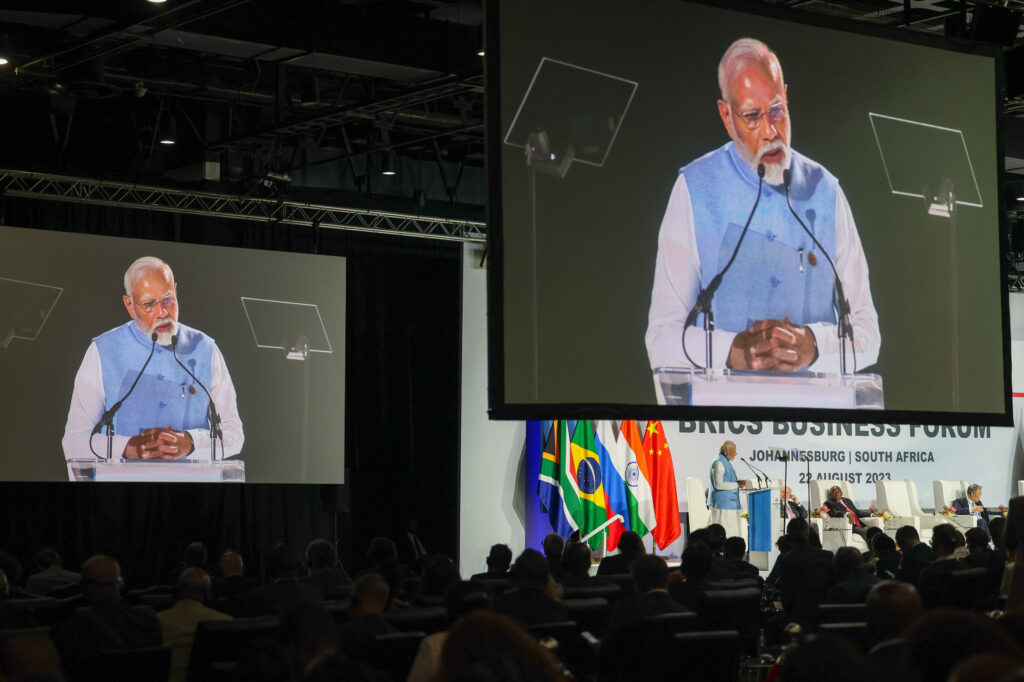
NEW DELHI — Iranian President Masoud Pezeshkian arrived in the capital on Saturday, marking the first high‑level visit since Tehran joined the BRICS bloc in August 2024. The trip coincides with the opening of the 2026 BRICS summit, where India and Iran are expected to sign a series of agreements covering energy, transport and digital trade, officials said.
Historical backdrop
India‑Iran relations date back to antiquity, but modern diplomatic ties were formalised in 1950. The two countries signed a strategic partnership agreement in 2002, followed by a series of sector‑specific pacts on oil, gas and infrastructure. After the United States re‑imposed sanctions on Tehran in 2022, New Delhi adopted a “balanced” approach, maintaining a 25‑year‑old non‑aligned stance while expanding trade under the “India‑Iran Comprehensive Economic Cooperation Framework” signed in 2023.
Economic stakes
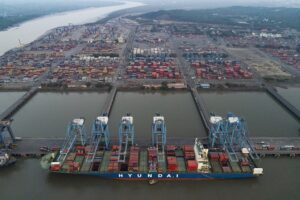
According to the Ministry of Commerce, bilateral trade reached ₹1.2 trillion ($14.5 billion) in FY2025‑26, a 15 percent rise from the previous year. Oil imports from Iran accounted for 12 percent of India’s total crude purchases, while Indian firms invested ₹45 billion in the Chabahar port expansion project, which provides Iran’s gateway to the Indian Ocean and a land bridge to Afghanistan.
Energy cooperation is set to deepen. Tehran has pledged to supply up to 2 million metric tonnes of crude per month under a 2025 supply‑security pact, while Indian firms are negotiating a joint venture to develop the South Pars gas field. “We will certainly make use of the opportunity provided by the BRICS summit to finalize these projects,” Pezeshkian told reporters, as quoted by DD India.
Statutory framework
The upcoming agreements will be anchored in the India‑Iran Cooperation Act of 2024, which authorises the Ministry of External Affairs to negotiate “strategic‑level” pacts in energy, transport, information technology and defence. The act also mandates a quarterly review by a joint parliamentary committee to monitor implementation and resolve disputes.
During a briefing, External Affairs Minister Dr. S. Jaishankar said, “Our partnership with Iran is built on mutual respect and shared strategic interests. The BRICS platform offers a multilateral avenue to advance projects that benefit both peoples.” The statement, reported by WION, underscores New Delhi’s intent to use the summit to offset Western pressure on Tehran.
BRICS agenda
At the summit, India will host a side‑event titled “South‑South Connectivity: Leveraging BRICS for Regional Integration,” where officials from both capitals will outline a joint roadmap for a rail corridor linking New Delhi to Tehran via the Iran‑Pakistan border. The corridor, projected to cost ₹120 billion, aims to cut freight time between the two capitals by 40 percent.
Digital trade is also on the docket. Both governments plan to sign a memorandum of understanding on blockchain‑based trade finance, a move that could streamline cross‑border payments and reduce transaction costs by an estimated 20 percent.
Geopolitical context
The timing of the visit reflects Tehran’s desire to showcase its new BRICS membership and to counter U.S. scrutiny over its nuclear programme. Washington’s “close watch,” as noted by WION, has intensified since the 2025 nuclear talks stalled. By aligning with India, Iran hopes to secure a reliable market for its energy exports and to gain political cover within a bloc that now represents over 40 percent of global GDP.
India, for its part, seeks to diversify energy sources and to cement its role as a bridge between West Asia and South Asia. Analysts say the partnership could also serve as a counterweight to China’s growing influence in the region, especially in the context of the Belt and Road Initiative.
Looking ahead
Both sides have pledged to convene a senior‑level joint commission by the end of 2026 to monitor progress on the signed agreements. The commission will report to the BRICS finance ministers’ meeting in early 2027, providing a benchmark for future cooperation.
“Our cooperation is not limited to the summit; it is a long‑term trajectory,” Pezeshkian added, according to DD India. The visit, therefore, marks not just a diplomatic courtesy but a concrete step toward a multi‑year agenda that could reshape trade flows across the Indo‑Pak‑Iran corridor.
Primary Sources & Official Records
- India-Iran Relations, Area of Cooperation, BRICS Discussions 2026
- ‘Relations continue to develop’: Iran hails India ties ahead of BRICS Summit as US keeps c
- “Will certainly make use of opportunity provided by BRICS Summit”: Iran hails ties with In
- Iran President Masoud Pezeshkian arrives in Delhi for BRICS Summit – Telangana Today