HYDERABAD — A series of workshops and an exhibition dedicated to Pichwai, the traditional Indian art form of painting on the reverse side of fabric, have commenced in Hyderabad to mark the 400-year legacy of the craft. The event, organized in collaboration with local cultural bodies and heritage conservationists, aims to introduce the intricate techniques of this Rajasthani art form to a broader audience in South India.
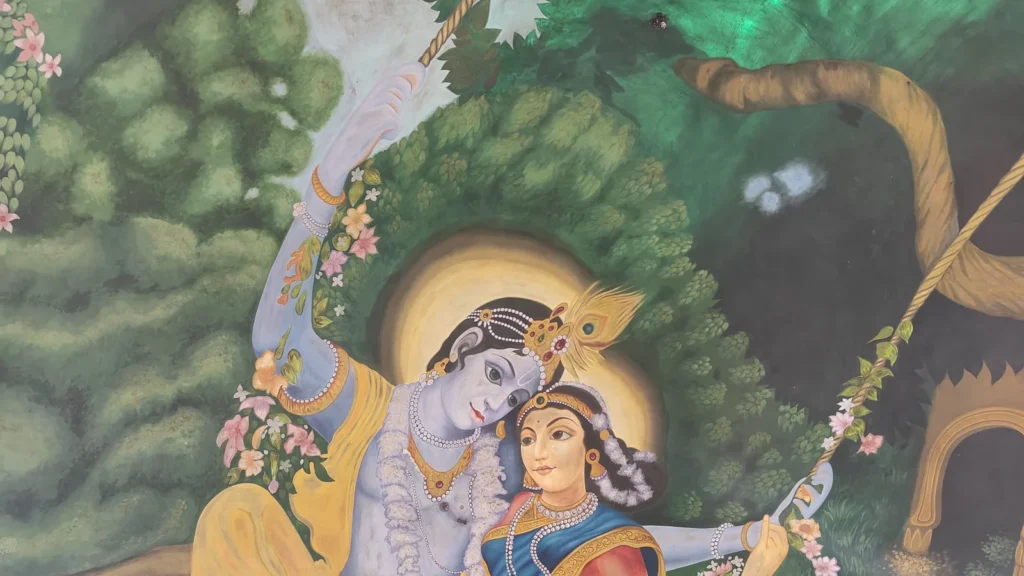
According to organizers, the initiative is part of a broader effort to preserve and promote indigenous art forms that have historically been centered in the northern states of Rajasthan and Gujarat. Pichwai, which typically depicts scenes from the life of Lord Krishna, is known for its vibrant colors, fine brushwork, and the use of natural dyes and pigments. The workshops in Hyderabad are designed to be interactive, allowing participants to experience the process of preparing the fabric, applying the base layer, and executing the detailed painting.
Historical Context and Technique
Pichwai painting originated in the 17th century in the region around the Nathdwara temple in Rajasthan. The term “Pichwai” is derived from the Hindi words “pich” (behind) and “wai” (side), referring to the fact that the paintings are executed on the reverse side of the cloth, which is then held up against a light source, often a temple lamp or a window, to reveal the image. This technique creates a luminous effect that enhances the spiritual and aesthetic appeal of the artwork.
The art form is characterized by the use of natural colors made from minerals, flowers, and other organic materials. The process is labor-intensive, requiring months of work to complete a single piece. Artists use fine brushes made from squirrel hair to create intricate details, often depicting the divine play (leela) of Krishna and Radha. The exhibition in Hyderabad features a curated selection of Pichwai paintings, ranging from classical pieces to contemporary interpretations that blend traditional motifs with modern themes.
Workshop Details and Participation
The workshops, which are open to artists, students, and art enthusiasts, are being conducted by master Pichwai painters from Rajasthan. The sessions cover various aspects of the craft, including the preparation of the fabric, the application of the white base (called “dhaga”), and the use of natural pigments. Participants are provided with all the necessary materials, including cotton fabric, brushes, and a set of traditional colors.
Organizers stated that the event has received a strong response from the local community, with many participants expressing interest in learning about the cultural significance of Pichwai. The workshops are structured to accommodate both beginners and experienced artists, with separate sessions for different skill levels. The exhibition, which runs parallel to the workshops, provides a platform for local artists to showcase their own interpretations of the Pichwai style, fostering a dialogue between traditional and contemporary art practices.
Conservation and Future Prospects
The promotion of Pichwai in Hyderabad is part of a larger trend in India to revitalize and conserve traditional art forms. With the rise of digital media and globalized art markets, many indigenous crafts face the challenge of declining demand and the loss of skilled artisans. Initiatives like the Hyderabad workshops aim to address these issues by creating new markets for traditional art and providing economic opportunities for artisans.
Cultural experts noted that the event highlights the importance of cross-regional exchange in preserving India’s diverse artistic heritage. By bringing Pichwai to Hyderabad, the organizers are not only introducing a new art form to the city but also encouraging local artists to explore and adapt traditional techniques. The exhibition and workshops are expected to continue for the next two weeks, with additional sessions scheduled for the weekend to accommodate a larger audience.
The event has been supported by local cultural institutions and government bodies, which have provided logistical assistance and promotional support. Organizers expressed hope that the initiative will serve as a model for similar events in other parts of the country, contributing to the broader goal of preserving and promoting India’s rich cultural heritage.