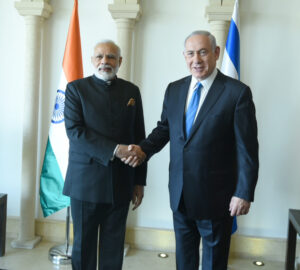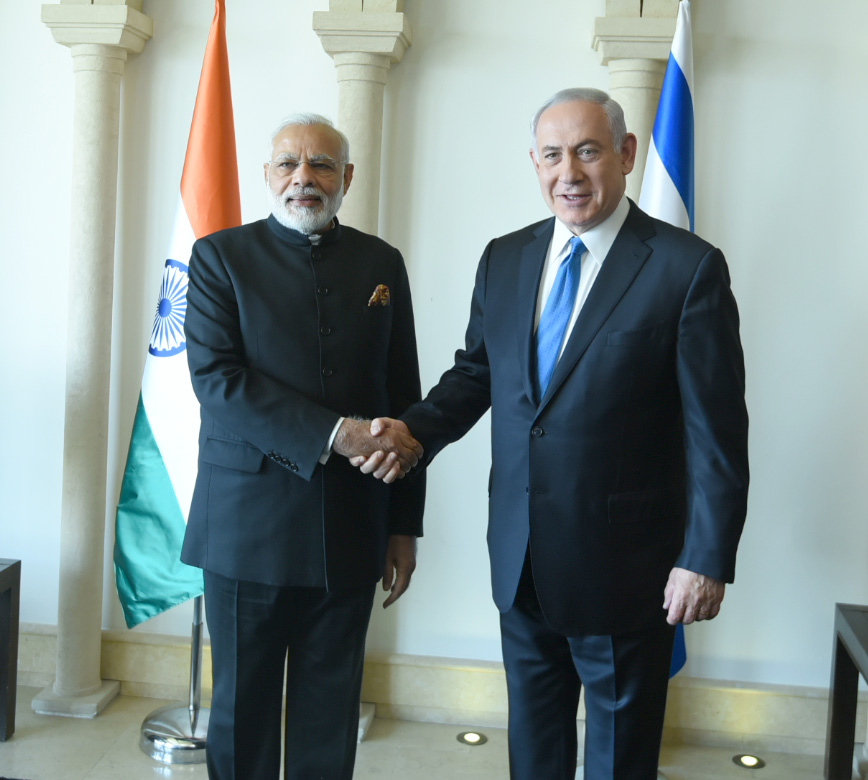
NEW DELHI — India and Israel signed three bilateral agreements on Aug. 12, 2026, to boost defence production, agricultural research and water‑desalination, officials said in a joint statement. The accords mark the latest step in a partnership that has grown from a modest diplomatic relationship in the early 1990s to a multifaceted strategic alliance spanning security, science and commerce.
Defence cooperation moves to joint manufacturing
Under the defence pact, India will co‑produce the Barak‑8 surface‑to‑air missile system at a new facility in Gujarat, while Israel will supply critical avionics for the indigenous Tejas fighter. The agreement also creates a joint venture to develop unmanned aerial vehicles for border surveillance. Both sides said the projects will cut procurement costs by up to 15% and shorten delivery timelines, addressing a long‑standing gap in India’s air‑defence capability.
Science, agriculture and water security
The science and technology MoU establishes a bilateral research centre in Tel Aviv to study drought‑resistant crops and precision farming. Israeli firms will pilot smart‑irrigation pilots on 5,000 hectares of farmland in Rajasthan, leveraging drip‑technology that has cut water use by 30% in pilot projects. A separate water‑management agreement authorises the construction of a 150‑megawatt desalination plant in Gujarat, using Israeli reverse‑osmosis modules that promise a 20% reduction in energy consumption compared with conventional units.
Economic impact and future outlook
Indian industry analysts estimate the defence and water projects could generate ₹12 billion in direct investment over the next five years, with ancillary benefits for local suppliers. The agricultural collaboration is expected to raise yields for 2 million smallholder farmers, according to the Ministry of Agriculture’s projections. Both governments said the agreements reflect a “shared vision of security, prosperity and innovation” and will be reviewed annually for expansion into cyber‑security and space research.
Political backdrop
The accords come after a series of high‑level visits, including Prime Minister Narendra Modi’s trip to Israel in March 2026 and Israeli Prime Minister Yair Lapid’s attendance at the India‑Israel Business Forum in New Delhi in May. The timing also aligns with India’s broader “Act East” strategy, which seeks to diversify defence sources and deepen ties with technologically advanced partners.