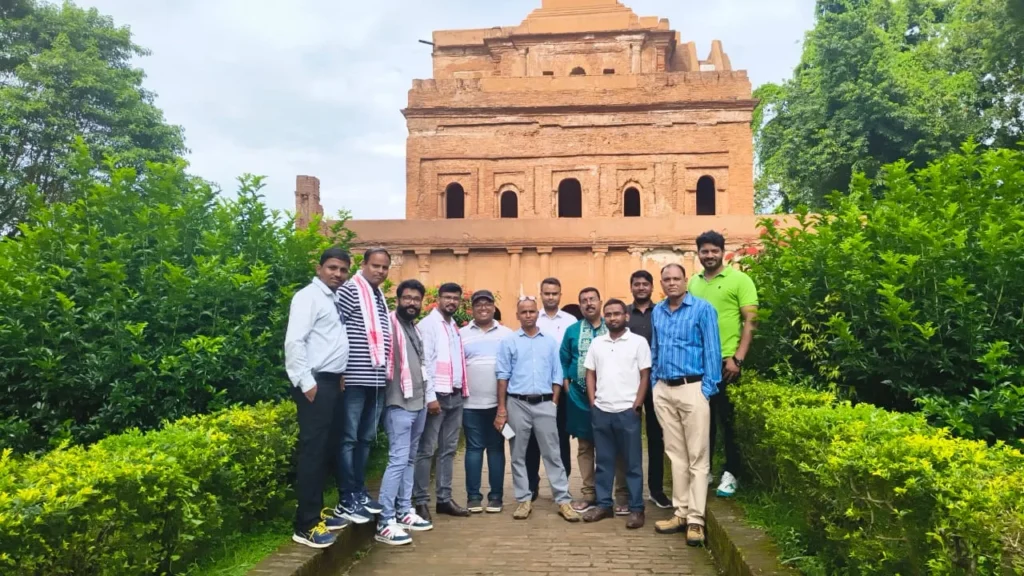
GUWAHATI — A team of scribes and heritage researchers from Odisha has concluded a comprehensive documentation exercise of the stone mounds in Assam, a key component of the state’s bid for UNESCO World Heritage status. The initiative, titled “Stones, Mounds, Memory,” aims to preserve the oral histories and physical characteristics of the megalithic structures before they are lost to urbanization and weathering.
The project, reported by Pragativadi on September 23, 2026, involves a collaborative effort between local historians, archaeologists, and community elders. The stone mounds, known locally as *dhol* or *munda*, are prehistoric burial sites and ritual platforms that date back to the Neolithic and Bronze Age periods. These structures are scattered across the hills of Assam, particularly in the districts of Dima Hasao, Karbi Anglong, and West Karbi Anglong.
Documentation Methodology
The Odisha-based team employed a mixed-method approach, combining photogrammetry, GPS mapping, and oral history interviews. According to the report, the researchers spent several weeks in the field, recording the dimensions, orientation, and material composition of over 50 mounds. The team also documented the folklore and legends associated with each site, which are often passed down through generations of the local tribal communities.
“The stone mounds are not just archaeological sites; they are living memories of the people who built them,” said a representative of the research team, as quoted in the Pragativadi report. “Our goal is to create a digital archive that will serve as a reference for future conservation efforts and academic research.”
The documentation effort is part of a broader strategy by the Assam government to strengthen its UNESCO nomination. The state has been working with the Archaeological Survey of India (ASI) and the UNESCO National Commission to prepare a detailed dossier that highlights the cultural significance and integrity of the stone mounds. The nomination, if successful, would be the first UNESCO World Heritage Site in Assam, boosting tourism and cultural preservation in the region.
Community Involvement
A crucial aspect of the project has been the active involvement of local communities. The researchers worked closely with village elders and tribal leaders to gain access to the sites and to record the oral histories. This community-based approach has been praised by conservationists as a model for sustainable heritage management.
In one instance, youths from the Bomar-Mara area discovered a previously unrecorded stone mound, as reported by arunachaltimes.in. The discovery was verified by the research team and added to the master list of sites. The local community has since taken up the responsibility of guarding the site, preventing any unauthorized excavation or damage.
The stone mounds in Assam are similar to those found in other parts of Northeast India, including Meghalaya and Manipur. However, the Assam mounds are unique in their association with specific tribal rituals and their integration into the local landscape. The documentation effort seeks to highlight these unique features in the UNESCO nomination.
Challenges and Future Steps
Despite the progress made, the conservation of the stone mounds faces several challenges. Many of the sites are located in remote areas with poor connectivity, making them difficult to access and maintain. Additionally, the rapid expansion of agriculture and infrastructure projects poses a threat to the integrity of the mounds.
The research team has recommended the establishment of a dedicated conservation fund and the creation of a legal framework to protect the sites. They have also called for the inclusion of the stone mounds in the school curriculum to raise awareness among the younger generation.
The Assam government has welcomed the findings of the documentation exercise and has assured its full support for the UNESCO nomination. A joint committee comprising representatives from the state government, the ASI, and the UNESCO National Commission has been formed to oversee the next phase of the project.
The “Stones, Mounds, Memory” project is expected to be completed by the end of 2026, with the final report to be submitted to the UNESCO National Commission. The success of the nomination will depend on the ability of the state to demonstrate the outstanding universal value of the stone mounds and their contribution to the cultural heritage of humanity.