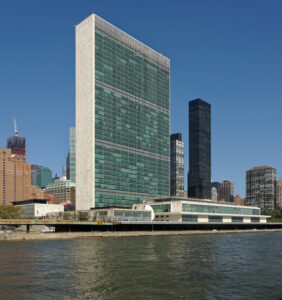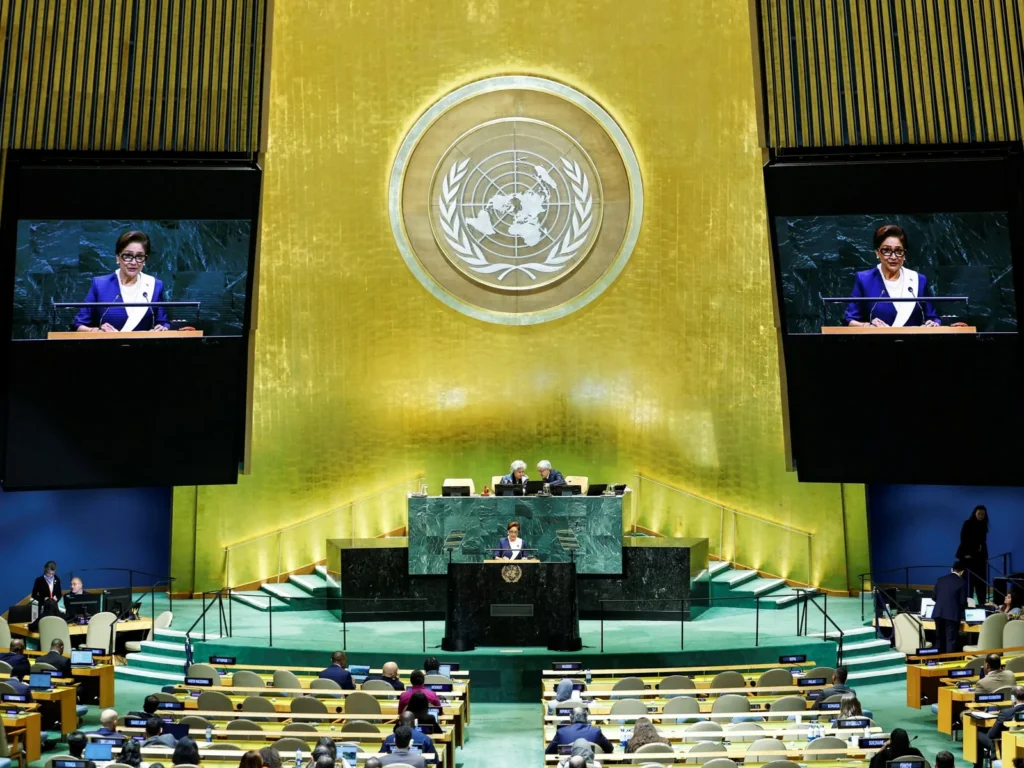
NEW YORK — The United Nations General Assembly is experiencing a resurgence in diplomatic relevance, shifting from a largely ceremonial body to a central stage for multilateral negotiation as the global order fragments. Observers note that the institution’s growing prominence stems from the inability of traditional security councils to resolve contemporary geopolitical crises, prompting member states to utilize the General Assembly’s broader consensus-building mechanisms.
The shift is particularly evident in the handling of trade disputes and technological governance, where the General Assembly has become a venue for non-aligned nations to coordinate positions against unilateral economic pressures. While the Security Council remains the primary body for peace and security mandates, its frequent paralysis due to vetoes by permanent members has pushed diplomatic traffic toward the General Assembly, where decisions are made by majority vote rather than consensus among five powers.
Structural Limitations Drive Multilateral Pivot
Analysts point to the structural rigidity of the UN Security Council as the primary catalyst for this change. With the geopolitical landscape increasingly multipolar, the veto power held by the United States, China, Russia, France, and the United Kingdom often results in gridlock. In such instances, the General Assembly serves as an alternative forum where the 193 member states can articulate collective norms and resolutions. Although General Assembly resolutions are generally non-binding, they carry significant moral and diplomatic weight, influencing international law and shaping the behavior of state actors.
This dynamic was highlighted in recent sessions where smaller nations formed coalitions to address issues ranging from climate finance to digital sovereignty. These coalitions, often led by the Group of 77 and China, have demonstrated that the General Assembly can function as a counterbalance to the dominance of major powers in other international bodies. The ability to mobilize a large majority of the membership allows these groups to set agendas that reflect the interests of the Global South, a demographic shift that has altered the internal politics of the UN.
Trade and Technology as New Frontiers
The prominence of the General Assembly is also driven by the emergence of new domains of international competition, particularly in artificial intelligence and cross-border trade. Unlike traditional military conflicts, these issues do not fit neatly into the Security Council’s mandate, leaving a governance vacuum that the General Assembly is filling. Member states are increasingly using the platform to negotiate frameworks for AI regulation and to challenge trade practices they perceive as unfair or exclusionary.
Recent diplomatic engagements, including high-level bilateral meetings between major powers, have underscored the interconnectedness of these issues. For instance, discussions between the United States and China on trade and technology have spilled over into multilateral forums, where the broader implications for global supply chains and digital standards are debated. The General Assembly provides a neutral ground where these complex, multi-stakeholder issues can be addressed without the immediate threat of security vetoes.
Challenges to Institutional Credibility
Despite its growing role, the UN General Assembly faces significant challenges in maintaining its credibility and effectiveness. The organization continues to grapple with funding shortfalls, bureaucratic inefficiencies, and accusations of bias from various member states. Critics argue that the General Assembly’s non-binding nature limits its ability to enforce compliance, while supporters contend that its moral authority remains a crucial component of international stability.
Furthermore, the rise of regional blocs and alternative multilateral institutions, such as the BRICS and the Shanghai Cooperation Organisation, poses a competitive threat to the UN’s centrality. However, the General Assembly’s universal membership and established procedural norms give it a unique advantage in fostering dialogue among diverse and often competing state interests. As the global order continues to evolve, the UN General Assembly is likely to remain a key arena for diplomatic maneuvering, reflecting the broader trend toward multipolarity and the search for new forms of collective governance.