NEW DELHI — India’s defence strength, anchored in self‑reliance, is reshaping national security and the economy, the government said on 18 September 2026. The Ministry of Defence highlighted record‑high indigenous weapon systems, a 28% rise in defence exports and a ₹3.2 trillion domestic industry as proof that the country can safeguard its borders without external dependence.
From Dependence to Strategic Power
Since the early 1990s, India relied heavily on foreign arms, importing over 70% of its military hardware. The 2001 “Strategic Partnership” model and the 2014 “Make in India” drive marked the first systematic push for domestic capability. By 2020, the Defence Production Policy (DPP) 2020 set a target of 50% indigenisation by 2025. The latest DPP 2026, released on 18 September, raises that goal to 70% by 2030 and expands the definition of “strategic product” to include advanced electronics, unmanned systems and hypersonic missiles.
Economic Impact of Indigenous Defence
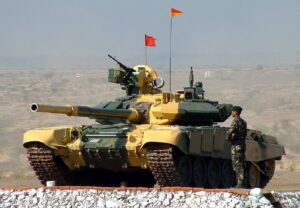
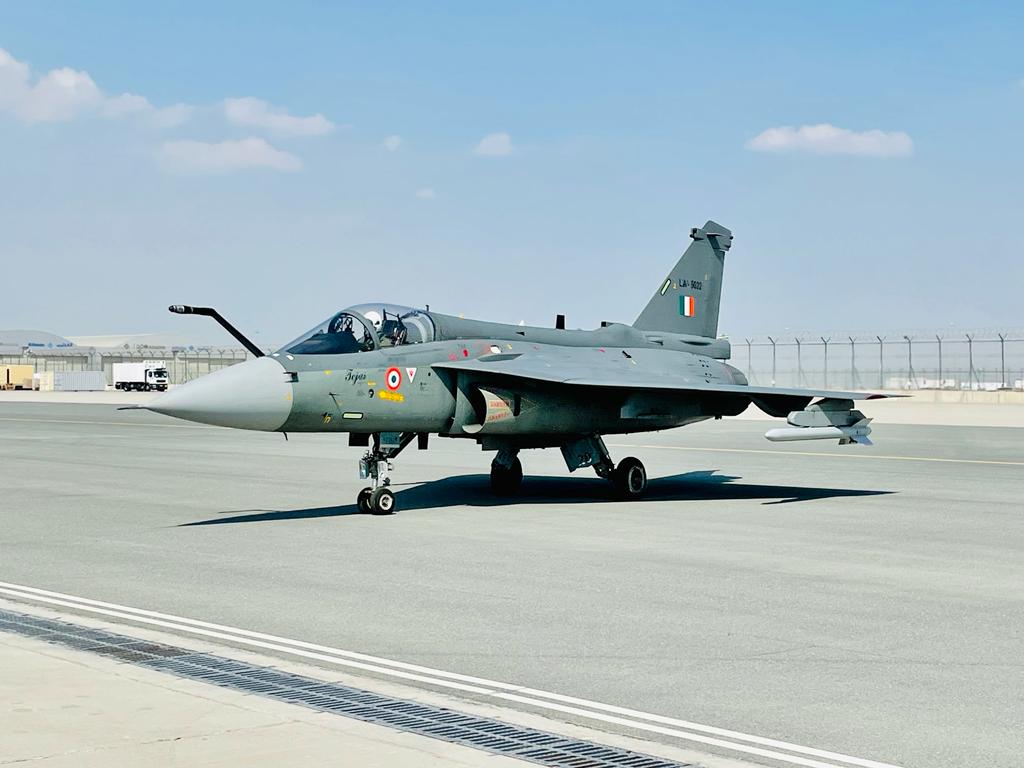
The sector now contributes ₹3.2 trillion to GDP, up from ₹1.9 trillion in 2020, according to the Press Information Bureau (PIB). Employment in defence manufacturing has crossed 1.1 million, with 45% of jobs created in small‑ and medium‑enterprises (SMEs). Exports surged to ₹150 billion in FY 2025‑26, a 28% increase over the previous year, driven by sales of the Tejas Mk 2 fighter, the Arjun Mk II tank and the indigenously built BrahMos‑Navy variant.
Statutory Reforms Fueling Growth
The 2026 policy amends the Defence Procurement Procedure 2023, allowing 74% foreign direct investment (FDI) in defence manufacturing and simplifying the “single‑window clearance” for defence projects. A new “Technology Sovereignty” clause mandates that critical electronic components be sourced from Indian firms or vetted allies, a response to a 2024 ORF study warning of supply‑chain vulnerabilities in semiconductors.
Under the revised DPP, the Ministry of Defence has earmarked ₹1.8 trillion for research and development (R&D) over the next five years, with ₹600 billion dedicated to next‑generation avionics and cyber‑defence. The Defence Research and Development Organisation (DRDO) will receive a 15% budget increase, bringing its 2026 allocation to ₹250 billion.
Official Voices on Self‑Reliance
Defence Minister Rajnath Singh told reporters, “Our self‑reliant defence ecosystem ensures that India can protect its borders without dependence on external sources. The numbers speak for themselves – indigenous content has crossed 55% across major platforms, and we are on track to hit 70% by 2030.” The statement was part of the PIB release on 18 September 2026.
DRDO senior scientist Dr. Anil Kumar, quoted in DT Next, added, “Technology sovereignty is not a buzzword; it is a prerequisite for national security. Indigenous micro‑electronics and secure software stacks reduce the risk of back‑doors and ensure operational integrity.”
Challenges and the Road Ahead
Despite progress, the sector faces hurdles. The ORF report notes that 40% of electronic hardware in Indian platforms still originates from non‑allied sources, exposing the armed forces to potential espionage. To address this, the Ministry plans to launch the “Electronic Hardware Sovereignty Initiative” in 2027, targeting a 90% domestic content target for critical components by 2032.
Industry analysts caution that scaling up production without compromising quality will require robust quality‑assurance frameworks and greater collaboration between public research labs and private firms. The government’s recent amendment to the Defence Production Policy, which introduces mandatory ISO 9001 certification for all defence contractors, aims to close that gap.
Strategic Implications
Self‑reliance strengthens India’s strategic autonomy, allowing it to pursue independent foreign‑policy choices, especially in the Indo‑Pacific. The ability to export advanced systems, such as the BrahMos‑Navy missile, also enhances diplomatic leverage, with recent sales to Vietnam and the United Arab Emirates confirmed in August 2026.
In sum, the convergence of policy reforms, fiscal commitment and industrial capacity is turning India’s defence sector into a pillar of national security and economic growth. The next decade will test whether the ambitious 70% indigenisation target can be met without compromising operational readiness.
Primary Sources & Official Records
- India’s Defence Strength Powering National Security through Self-Reliance
- From Aspiration To Strategic Power: India @ 80 – Indian Aerospace and Defence Bulletin
- A Strategic Framework for Mitigating Electronic Hardware-Related National Security Risks i
- National security dependent on technology sovereignty: DRDO scientist – DT Next