NEW DELHI — India on Thursday urged the United Nations Security Council to adopt a pre‑emptive ban on lethal autonomous weapons (LAWS) as the body prepares for a high‑profile meeting on 5 October 2026, the Press Information Bureau (PIB) said in a backgrounder released on Sept. 22.
Key points of the government’s position
The PIB note lists five core demands that India will present to the Council: (1) a legally binding moratorium on the development of fully autonomous weapon systems that can select and engage targets without human intervention; (2) the establishment of an international verification mechanism under the UN Office for Disarmament Affairs; (3) mandatory transparency reporting by all states that possess or are developing AI‑enabled weapons; (4) a joint research programme on ethical AI in defence, funded with ₹1.5 billion (approximately $18 million) by the Ministry of Defence; and (5) a review of existing arms‑control treaties to incorporate autonomous‑technology provisions.
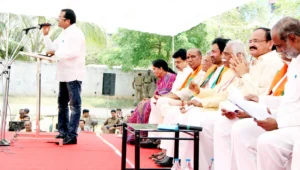
Foreign Minister Dr. Subrahmanyam Jaishankar, speaking to PIB, said, “We are committed to ensuring that any development of autonomous weapons complies with international humanitarian law and the principles of distinction and proportionality. A pre‑emptive ban is the only responsible path forward.”
Context within the UN Security Council
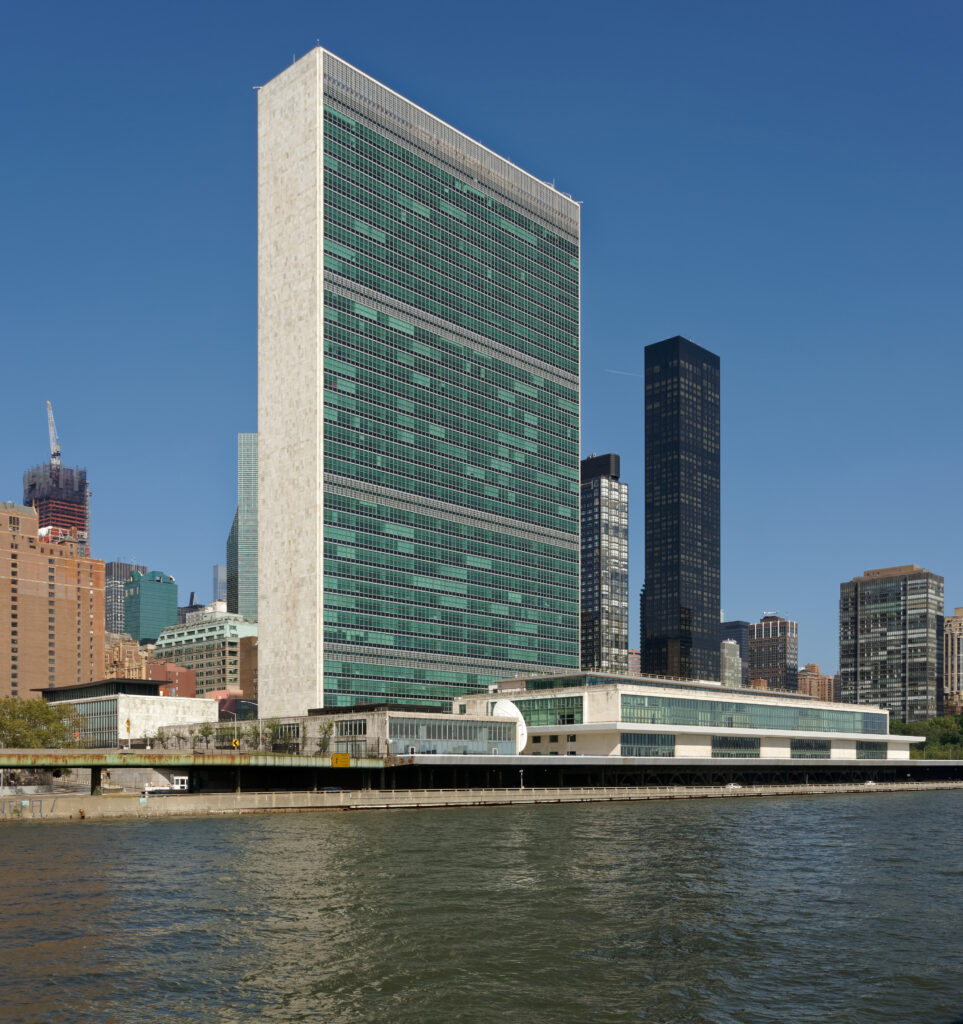
The Security Council’s agenda for the October session includes a briefing by the UN Office for Disarmament Affairs on the rapid proliferation of AI‑driven weaponry. The Council has previously debated LAWS in 2021 and 2024 but has not reached consensus on a binding instrument. India’s renewed push follows a wave of civil‑society campaigns and a recent report by the Council on Foreign Relations that warned of “strategic destabilisation” if autonomous weapons are left unchecked.
India, a non‑permanent member of the Council for the 2026‑27 term, will chair the working group on emerging technologies. The country’s stance aligns with the positions of Brazil, Austria and Ireland, which have also called for a moratorium. In contrast, the United States and Russia continue to advocate for a “responsible development” framework rather than an outright ban.
Domestic preparations and funding
To back its diplomatic effort, New Delhi has earmarked ₹2 billion for a national research hub on ethical AI in defence, to be set up at the Defence Research and Development Organisation (DRDO) campus in Hyderabad. The hub will coordinate with academic institutions and industry partners to develop verification tools that can detect autonomous decision‑making in weapon systems.
In addition, the Ministry of Home Affairs will allocate ₹500 million to train security forces on the legal and operational implications of LAWS, ensuring that any future deployment of semi‑autonomous platforms adheres to the rules of engagement approved by the Ministry of Defence.
International reaction
Human‑rights groups welcomed India’s initiative. Amnesty International’s South Asia director, Priya Raghavan, said, “India’s leadership on this issue could tip the balance in favour of a global ban, something the international community has been unable to achieve for years.”
Conversely, the United States Department of State issued a statement on Sept. 23 noting that “the United States remains committed to a collaborative approach that balances security concerns with humanitarian principles.” The statement stopped short of endorsing a moratorium.
Implications for regional security
Analysts say India’s push could reshape the security calculus in South Asia, where neighbouring countries such as Pakistan and China are reportedly advancing autonomous drone programmes. “If India can secure a UN‑wide ban, it would force regional actors to rethink their procurement strategies,” said Arvind Kumar, senior fellow at the Institute for Defence Studies and Analyses.
India’s defence procurement plan for 2026‑30, released earlier this year, already includes a clause that any AI‑enabled system must undergo a “human‑in‑the‑loop” verification before deployment. The new UN‑level ban would reinforce that policy domestically.
Next steps
The Indian delegation, led by Foreign Minister Jaishankar, will present its proposal at the Security Council meeting on 5 October. If the Council adopts a resolution, it would be the first binding instrument on LAWS, paving the way for a global verification regime.
India also plans to host a multilateral conference on autonomous weapons in New Delhi on 15‑17 October, inviting representatives from the UN, NATO, ASEAN and civil‑society groups to discuss implementation pathways.