WASHINGTON — Iran’s foreign minister said on Tuesday that a negotiated settlement is the only way to end the deadlock over the Strait of Hormuz after U.S. President Donald Trump rejected a proposal to ease tensions. The remarks came hours after the White House announced that the offer, which had been discussed in back‑channel talks, would not be pursued. “Only a negotiated solution can get the United States out of this deadlock,” the minister told reporters in Tehran, according to the BBC.
Background of the proposal
The United States and Iran have been locked in a series of confrontations since early 2026, when Tehran resumed missile launches near the Persian Gulf and Washington increased naval patrols through the Hormuz Strait, a vital conduit for global oil shipments. In August, senior officials from both capitals met in a neutral venue to explore a limited de‑escalation framework that would have allowed Iranian commercial vessels to pass unhindered in exchange for a freeze on new U.S. sanctions. The plan, described in diplomatic circles as the “Hormuz Initiative,” was never formally signed.
Trump’s rejection
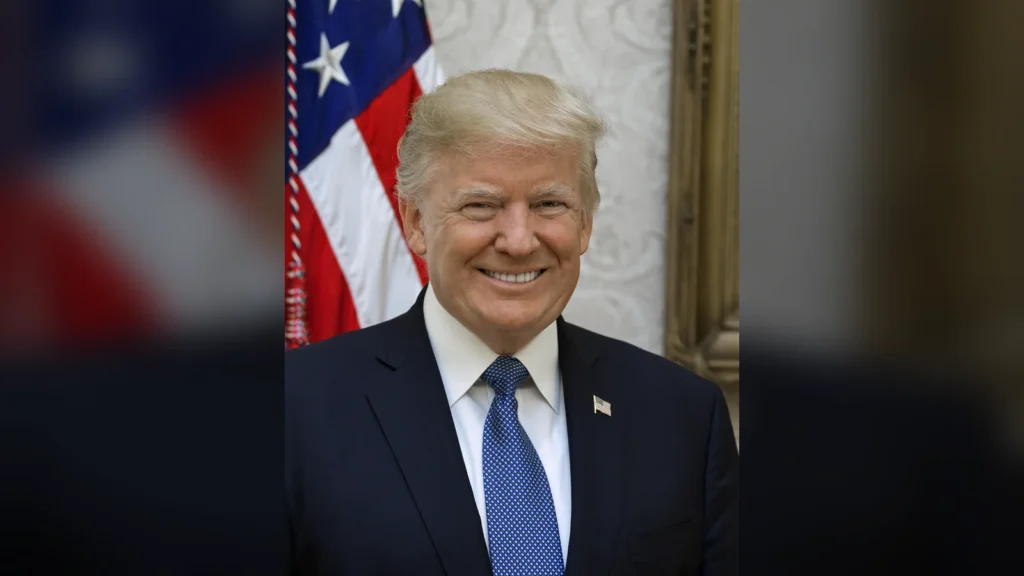
President Trump, speaking at a press briefing on Monday, said the United States could not accept any arrangement that did not include a complete halt to Iran’s regional activities. He added that the United States would continue to enforce existing sanctions and maintain a robust naval presence in the strait. The decision was conveyed to Tehran through a formal note on September 25, which the Iranian foreign ministry described as “a unilateral dismissal of a constructive diplomatic effort.” The White House did not provide a detailed rationale beyond the statement that the proposal did not meet “America’s core security interests.”
Iran’s response
In a brief press conference, the foreign minister emphasized that Iran remains open to dialogue but warned that continued U.S. pressure could lead to further escalation. He noted that Iran has already taken steps to protect its shipping lanes, including the deployment of additional naval assets. “Negotiations are the only path to a lasting solution,” he said, adding that Iran will continue to comply with international law while defending its sovereign interests.
UN perspective
U.N. Ambassador Linda Waltz, speaking to reporters in New York on Wednesday, said Iran had not been negotiating “in good faith” to end the conflict. Waltz cited recent Iranian statements that she interpreted as attempts to shift blame onto the United States. “The United Nations urges all parties to return to the negotiating table with a genuine commitment to peace,” she said, without specifying any new diplomatic initiative.
Regional implications
The stalemate raises concerns for oil markets, as the Hormuz Strait handles roughly 20% of global petroleum trade. Analysts note that any disruption could push crude prices higher, though futures markets have so far absorbed the news without major spikes. Neighboring Gulf states have called for restraint, urging both Tehran and Washington to avoid actions that could endanger commercial shipping.
Next steps
Both sides have indicated that they will continue to assess the situation. The U.S. administration said it will review its strategic posture in the region, while Iran announced that it will keep diplomatic channels open for any future proposals that meet its conditions. The United Nations will monitor developments through its security council, which is expected to convene later this month to discuss the broader implications for regional stability.
Primary Sources & Official Records
- Iranian minister says only negotiation can end conflict after Trump rejects Hormuz deal
- Iranian minister says only negotiation can end conflict after Trump rejects Hormuz deal –
- Only ‘Negotiated Solution’ Can Get US Out of ‘Deadlock,’ Iranian Diplomat Says After Trump
- UN ambassador Waltz says Iran was not negotiating ‘in good faith’ to end war – The Guardia