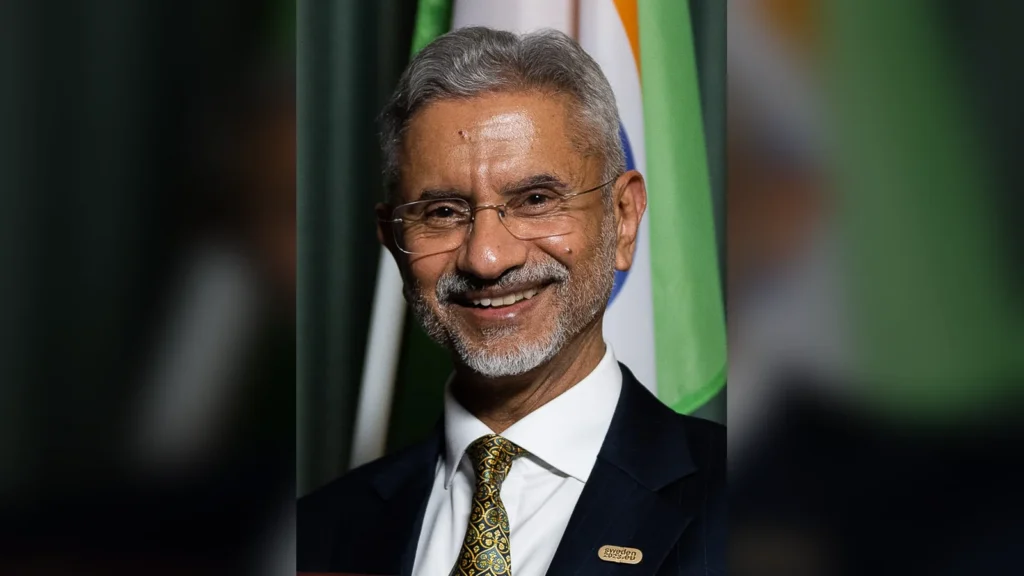
NEW DELHI — At the United Nations High‑Level Week in New York, External Affairs Minister Subrahmanyam Ja Shankar cautioned that escalating conflicts in the Middle East, Ukraine and the Indo‑Pacific were disrupting shipping lanes, energy flows and food supplies, and urged the General Assembly to strengthen the Global South’s voice in reform talks.
Global Conflicts Threaten Supply Chains
During a speech on 27 September, Ja Shankar highlighted the impact of the Gaza‑Israel war, the Russia‑Ukraine conflict and tensions in the South China Sea on maritime trade. He noted that the Red Sea corridor, a key route for oil and grain shipments, had seen increased piracy and naval skirmishes, leading to higher insurance premiums and delays for vessels. The minister said that the disruptions were already affecting food prices in India and other developing economies.
In a separate briefing, he warned that the war in Ukraine was causing a spike in global energy prices and that the conflict’s spill‑over into the Black Sea had threatened the supply of wheat to millions of people. He added that India was monitoring the situation closely and was working with partner countries to secure alternative routes and energy sources.
Global South’s Voice in UN Reforms
Ja Shankar used the platform to call for a more inclusive UN system that reflects the interests of the Global South. He said that India and other developing nations were ready to play a constructive role in reforming the Security Council, the International Court of Justice and the UN’s peace‑keeping mandate. The minister also emphasised the need for greater representation of emerging economies in the UN’s decision‑making bodies.
विदेशी मंत्रियों के साथ बैठकें
अपने भाषण के अतिरिक्त, मंत्री ने ब्राज़ील, दक्षिण अफ्रीका और केन्या के विदेशी मंत्रियों के साथ द्विपक्षीय वार्ताएँ कीं। इन चर्चाओं में आतंकवाद विरोधी सहयोग, कृत्रिम बुद्धिमत्ता शासन और समुद्री सुरक्षा पर ध्यान केंद्रित किया गया। जे शंकर ने कहा कि भारत साझेदार देशों के साथ साइबर‑सुरक्षा और समुद्री निगरानी के सर्वोत्तम अभ्यास साझा करने के लिए तैयार है।
मुख्य संदेशों का सारांश
organiser.org की रिपोर्ट के अनुसार, जे शंकर के भाषण में दस प्रमुख विषय शामिल थे: आतंकवाद विरोधी उपाय, कृत्रिम बुद्धिमत्ता, वैश्विक दक्षिण की आवाज़, समुद्री सुरक्षा, संयुक्त राष्ट्र सुधार, जलवायु परिवर्तन, सतत विकास, डिजिटल कूटनीति, आर्थिक लचीलापन और क्षेत्रीय सहयोग। मंत्री के बयानों को मीडिया ने व्यापक रूप से कवरेज दिया और कई संयुक्त राष्ट्र अधिकारियों ने दोहराया, जिन्होंने सुरक्षा और विकास मुद्दों पर भारत के संतुलित दृष्टिकोण की प्रशंसा की।
पॉलिसी एज विश्लेषण
पॉलिसी एज लेख में उल्लेख किया गया कि शिपिंग और ऊर्जा व्यवधानों के संबंध में भारत की चेतावनी वैश्विक आपूर्ति श्रृंखलाओं की कमजोरियों को उजागर करने की व्यापक रणनीति का हिस्सा थी। विश्लेषण से यह संकेत मिला कि भारत स्वयं को संघर्षों में मध्यस्थ और बहुपक्षीय समाधान का समर्थक स्थापित कर रहा है।
आधिकारिक बयानों और स्रोतों
जे शंकर के बयानों को संयुक्त राष्ट्र उच्च‑स्तरीय सप्ताह के आधिकारिक कार्यवृत्त में दर्ज किया गया और बाद में विदेश मंत्रालय द्वारा जारी किया गया। मंत्री के बयानों को न्यूज़ ऑन एआईआर ने भी रिपोर्ट किया, जिसमें पुष्टि की गई कि उन्होंने कई विदेशी मंत्रियों से मिलकर संयुक्त राष्ट्र सुधार में वैश्विक दक्षिण की भूमिका पर चर्चा की।
प्राथमिक स्रोत एवं आधिकारिक दस्तावेज़
- Jaishankar highlights global conflicts at UN High-Level Week event
- EAM Jaishankar Holds Talks with Foreign Ministers, Highlights Global South’s Voice – News
- At UNGA, India Warns Conflicts Are Disrupting Shipping, Energy and Food Supplies – The Pol
- India at UNGA | Jaishankar’s 10 Big Messages: Counter-terrorism, AI, Global South, maritim