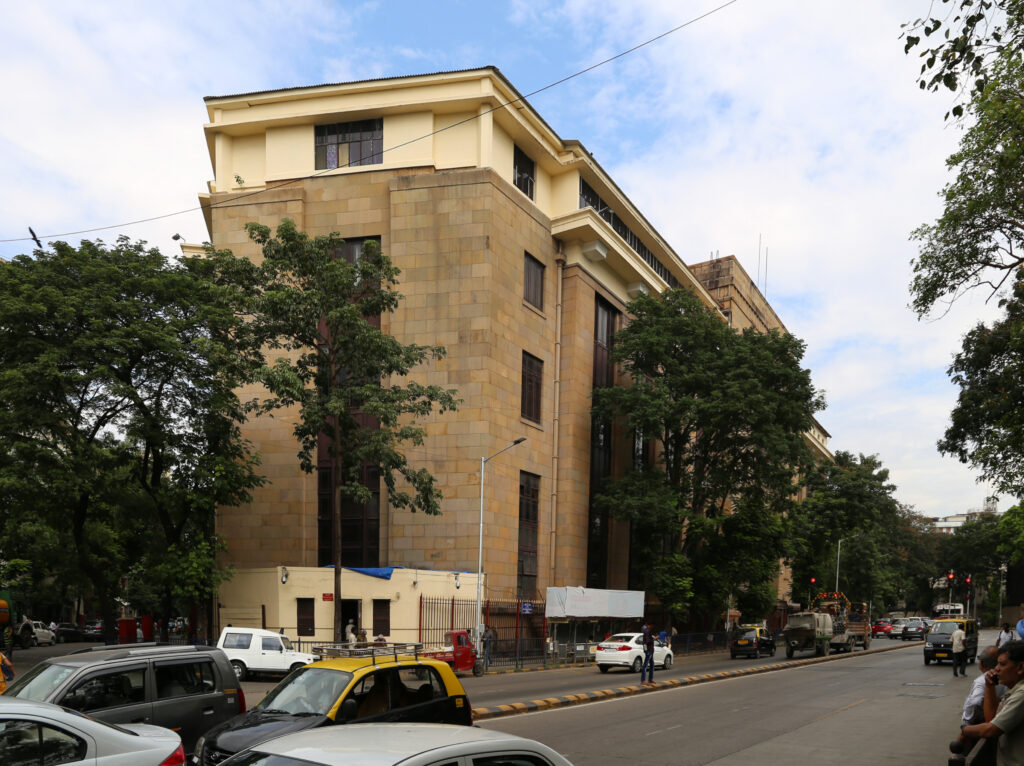
NEW DELHI — The Reserve Bank of India (RBI) published its Annual Report for the fiscal year 2025‑26 on Sept. 20, 2026, offering a comprehensive snapshot of the nation’s monetary stance, financial stability and inclusion initiatives. The 400‑page document, the central bank’s most detailed public record, shows that inflation stayed within the 2‑6 % target band, credit expansion continued, and digital payments crossed new milestones.
Macro‑economic backdrop
The report frames the year’s performance against a backdrop of moderate global growth, subdued commodity price volatility and a resilient domestic demand. Real GDP growth averaged 6.8 % for the year, matching the RBI’s medium‑term outlook. The central bank attributes the steady pace to robust private consumption, a gradual pick‑up in manufacturing output and continued fiscal support.
Inflation and monetary policy
Headline consumer price inflation (CPI) averaged 4.2 % in 2025‑26, comfortably inside the 2‑6 % tolerance range set by the Monetary Policy Committee (MPC). The RBI’s policy repo rate remained at 6.50 % throughout the year, reflecting the committee’s view that price pressures were largely transitory. In its policy statement, the RBI noted that food price volatility and external shocks had been contained, allowing the bank to maintain an accommodative stance while guarding against overheating.
Credit growth and financial stability
Bank credit to the private sector grew by 11.5 % year‑on‑year, driven by higher demand for housing loans and corporate financing. The report highlights that the non‑performing asset (NPA) ratio fell to 3.2 % from 3.5 % the previous year, indicating improving asset quality. The RBI’s Financial Stability Report, a component of the annual review, flagged rising household debt as a risk but said the overall banking system remained well‑capitalised, with capital adequacy ratios above 15 %.
Foreign exchange reserves and external sector
Foreign exchange reserves stood at ₹62.5 lakh crore at the end of March 2026, a record high that provides a sizable buffer against external shocks. The report attributes the rise to continued capital inflows, a stable current‑account surplus and prudent reserve management.
Digital payments and financial inclusion
One of the report’s headline achievements is the surge in electronic transactions. Total digital payments reached ₹115 trillion in 2025‑26, up 28 % from the previous year, with Unified Payments Interface (UPI) transactions crossing the 10‑billion‑mark for the first time. The RBI credits the growth to expanded merchant acceptance, higher consumer confidence and ongoing upgrades to the UPI platform.
Financial inclusion metrics also improved. The number of bank accounts rose to 1.38 billion, covering 99.5 % of the adult population. The report notes that the Jan Dhan Yojana continues to drive account opening in rural areas, while credit linked savings schemes have widened access to formal credit for small‑holder farmers.
Governance and regulatory reforms
The annual report outlines several regulatory reforms introduced in 2025‑26. Notably, the RBI finalized a revised framework for fintech licensing, aiming to foster innovation while strengthening consumer protection. The central bank also announced tighter norms for cyber‑security in banks, mandating quarterly stress‑testing of digital infrastructure.
Outlook for 2026‑27
Looking ahead, the RBI projects inflation to stay near 4 % in the next fiscal year, with GDP growth expected to hover around 6.5 % to 7 %. The bank plans to keep the repo rate unchanged unless inflationary pressures intensify. The report underscores the importance of sustaining credit growth, deepening digital finance and maintaining macro‑economic stability.