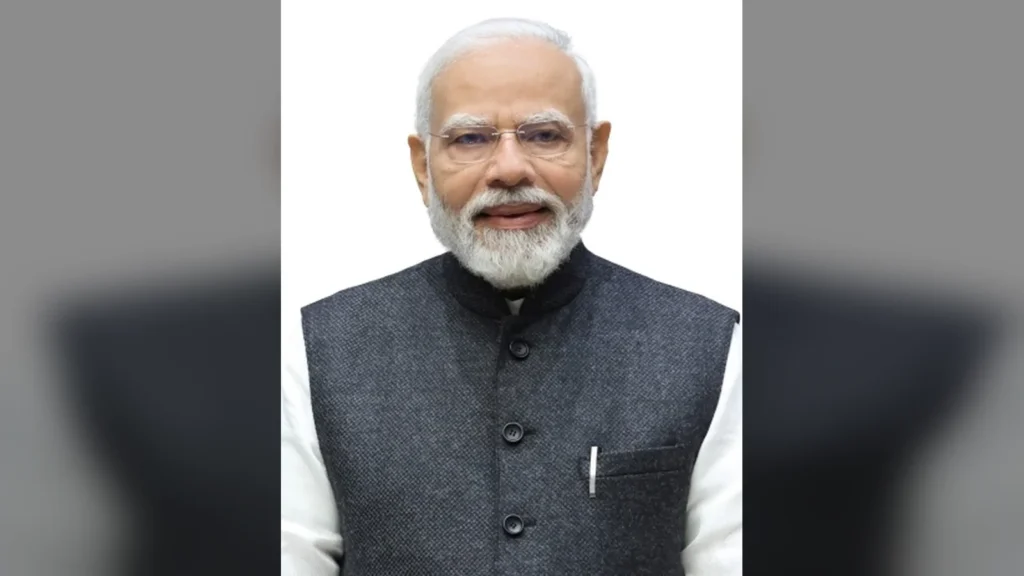
NEW DELHI — In his 27 September 2026 episode of the national radio programme ‘Mann Ki Baat’, Prime Minister Narendra Modi highlighted the remarkable evolution of Modhera, a town in Gujarat’s Bhavnagar district, from a 1,000‑year‑old Sun Temple site to India’s first village that runs on solar power 24 hours a day, seven days a week.
Historic Roots and Modern Energy
Modhera is best known for the Sun Temple, a sandstone shrine built in 1026 CE by King Bhima I of the Chaulukya dynasty. The temple’s architectural design, with its towering vimana and intricate carvings, has attracted scholars and pilgrims for centuries. Modi’s remarks drew a direct line between the town’s ancient heritage and its contemporary role in the country’s renewable‑energy agenda.
According to the EnergyWorld report, the village has installed a network of photovoltaic panels that cover public buildings, schools, and private homes. The solar array, which began operation in early 2025, supplies enough electricity to power the entire community, eliminating the need for diesel generators and reducing carbon emissions.
Government Support and Community Impact
The Ministry of New and Renewable Energy (MNRE) announced a 12‑month pilot programme in 2024 that aimed to convert 50 villages across Gujarat into 24/7 solar communities. Modhera was selected as the flagship site because of its proximity to the Sun Temple and its existing grid infrastructure. The project received a total of ₹12 crore in subsidies, with the state government contributing ₹4 crore and the central government covering the remainder.
Local residents reported a significant improvement in power reliability. “We no longer experience the frequent outages that used to happen during the night,” said a resident of Modhera in a statement to the local press. The village’s solar plant also supplies excess power to the regional grid during peak demand, according to the MNRE’s technical report.
‘Mann Ki Baat’ Highlights and National Significance
In his address, Modi described Modhera’s journey as a “symbol of India’s commitment to sustainable development.” He noted that the village’s success could serve as a model for rural electrification across the country. The Prime Minister also mentioned the role of the Gujarat State Energy Department in coordinating the installation and maintenance of the solar infrastructure.
While the ‘Mann Ki Baat’ broadcast did not provide detailed technical specifications, it emphasized the broader policy objective of achieving 100% renewable electricity by 2030. The program also referenced the National Solar Mission’s target of installing 100 GW of solar capacity by 2026.
Future Plans and Expansion
Officials from MNRE announced that the Modhera model will be replicated in 15 more villages in the next two years. The plan includes training local technicians, establishing solar maintenance hubs, and integrating battery storage to ensure uninterrupted supply during cloudy periods.
Modhera’s transformation has attracted attention from academic institutions studying the intersection of heritage conservation and renewable energy. Researchers from the Indian Institute of Technology, Gandhinagar, have begun a case study on the socio‑economic impacts of the solar village on local livelihoods.
As India continues to expand its solar footprint, Modhera stands as a tangible example of how ancient sites can be leveraged to advance modern sustainability goals. The village’s 24/7 solar operation, first highlighted by the Prime Minister in his ‘Mann Ki Baat’ address, underscores the potential for rural communities to become self‑sufficient power producers.