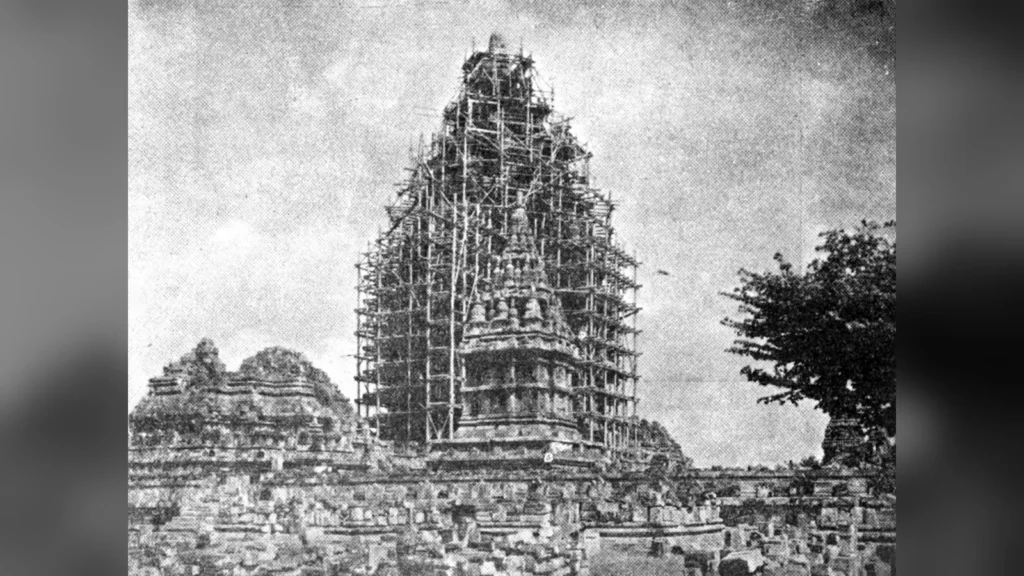
NEW DELHI — Prime Minister Narendra Modi is scheduled to launch a joint conservation initiative for the Prambanan Temple complex in Indonesia alongside President Prabowo Subianto, marking a significant expansion of bilateral cultural cooperation between the two nations. The project, announced on 08 October 2026, aims to restore and preserve the ancient Hindu temple complex, which is recognized as a UNESCO World Heritage Site.
Bilateral Cultural Diplomacy
The initiative underscores the deepening ties between India and Indonesia, particularly in the realm of heritage conservation and cultural diplomacy. Prambanan, located in Central Java, is the largest Hindu temple complex in Indonesia and a key symbol of the historical spread of Hindu culture in Southeast Asia. The complex, built in the 9th century, features intricate stone carvings and architectural structures that have faced challenges from weathering, seismic activity, and biological growth over the centuries.
According to official reports, the launch ceremony will see both heads of state formally inaugurating the conservation project, signaling a long-term commitment to the site’s preservation. The collaboration leverages India’s extensive experience in temple restoration and stone conservation, drawing on techniques developed for the maintenance of ancient monuments within the Indian subcontinent. Indonesian authorities have expressed appreciation for India’s technical expertise, noting that the partnership will facilitate the transfer of knowledge and best practices in heritage management.
Technical Scope and Methodology
The conservation project is expected to focus on structural stabilization, cleaning of stone surfaces, and the management of vegetation that threatens the integrity of the temple structures. Experts from Indian heritage institutions, including the Archaeological Survey of India (ASI) and specialized conservation bodies, are anticipated to play a key role in advising and executing the restoration work. The project aligns with broader efforts to protect cultural heritage sites in the region, which are increasingly vulnerable to environmental changes and urbanization.
Indonesia’s Ministry of Culture has highlighted the importance of international partnerships in ensuring the sustainability of such sites. The Prambanan Temple complex attracts millions of visitors annually, making its preservation not only a cultural imperative but also a significant factor for tourism and local economic development. The joint effort is viewed as a model for South-South cooperation in heritage conservation, demonstrating how nations can pool resources and expertise to protect shared cultural assets.
Historical Context and Significance
Prambanan is dedicated to the Trimurti—Brahma, Vishnu, and Shiva—and is renowned for its towering spires and detailed reliefs depicting scenes from Hindu epics such as the Ramayana and Mahabharata. The temple complex has undergone various phases of restoration since its discovery in the 19th century, with significant work carried out by Dutch colonial authorities and later by Indonesian conservationists. The involvement of India in the current phase of restoration is seen as a continuation of the historical and spiritual connections between the two civilizations.
Prime Minister Modi has previously emphasized the importance of cultural exchanges in strengthening Indo-Indonesian relations. During his recent engagements with President Subianto, the two leaders discussed multiple areas of cooperation, including trade, defense, and culture. The Prambanan project is a tangible outcome of these discussions, reflecting a shared commitment to preserving the historical legacy of the region.
Future Implications
The launch of this project is expected to pave the way for further collaborations in other heritage sites across Southeast Asia. Both countries are exploring opportunities for joint research, training programs for conservation professionals, and the development of digital archives for cultural artifacts. The initiative also highlights the growing role of non-traditional security and cultural diplomacy in shaping foreign policy, where shared heritage serves as a bridge for mutual understanding and cooperation.
As the project moves into its implementation phase, stakeholders anticipate that the restored Prambanan Temple will serve as a testament to the enduring cultural ties between India and Indonesia. The joint effort is likely to attract increased attention from the global heritage community, potentially leading to further international support for conservation projects in the region.