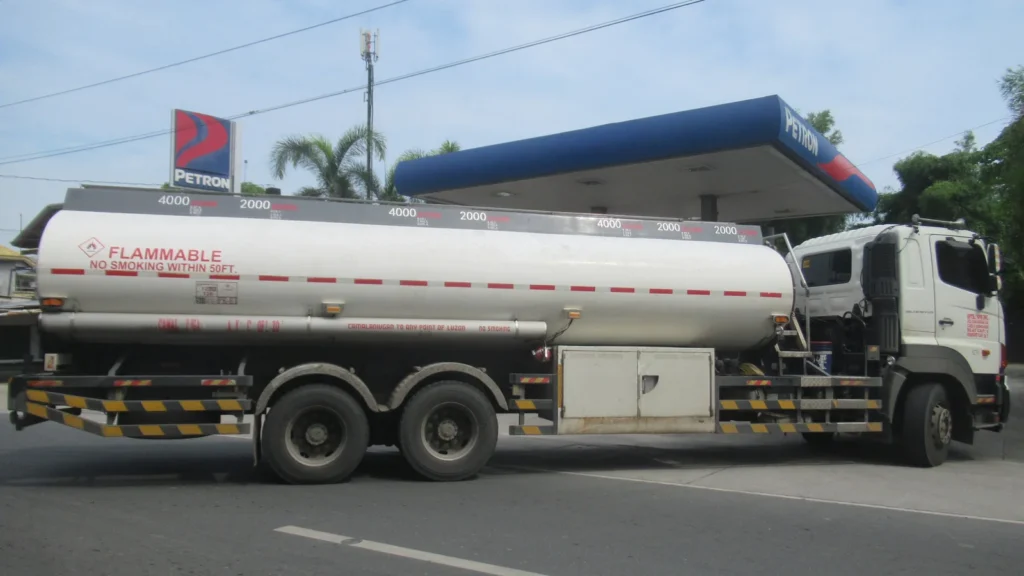
WASHINGTON — A proposal to ban diesel exports from the United States would tighten global supply and could lift prices for fuel users around the world, analysts say. The move would affect the U.S. as the world’s largest diesel producer, and could have a pronounced impact on European countries that import a significant share of their diesel from the U.S. market.
US Diesel Production and Global Supply
The United States has been the world’s top diesel producer for several years, with refining capacity that exceeds 12 million barrels per day. Export volumes have historically accounted for roughly 10% of domestic output, primarily to Canada, Mexico and European markets. A ban would remove that export stream, tightening the global supply curve and potentially raising prices for consumers and transport operators.
Impact on European Fuel Markets
European countries, especially those in the Euro‑Atlantic region, rely on U.S. diesel to meet seasonal demand spikes. According to an analysis by Euronews, a ban could force European refiners to source more diesel from alternative suppliers such as the Middle East or Russia, where prices are currently higher. The shift could raise diesel prices in the EU by 3% to 5% in the short term, depending on how quickly alternative supply chains can be mobilised.
Industry Response and Price Dynamics
Industry groups such as the American Fuel & Petrochemical Manufacturers (AFPM) warn that a U.S. diesel export ban could also push gasoline prices higher. Diesel and gasoline are closely linked in refining economics; a reduction in diesel output can reduce overall refinery throughput, leading to higher retail prices for both fuels.
Seeking Alpha’s commentary on the potential ban highlights that the U.S. oil sector would face a supply shortfall that could increase global diesel prices by up to 4% in the first quarter after implementation. The analysis also notes that the U.S. would likely see a 2% rise in domestic diesel prices as refineries adjust to the new export restrictions.
Policy Considerations and International Reactions
The U.S. government has not yet announced a formal ban, but the proposal has sparked debate among policymakers and industry stakeholders. A ban would be implemented under the authority of the Department of Energy, which can issue export restrictions under the Energy Policy Act of 2005. The act allows the Secretary of Energy to restrict exports of petroleum products in response to national security or foreign policy concerns.
European officials have expressed concern that a sudden loss of U.S. diesel could destabilise fuel markets. Brussels‑based officials have called for coordinated action to ensure supply stability, while the European Commission has indicated it would monitor the situation closely.
Long‑Term Market Adjustments
Over the longer term, markets may adjust through increased production in other regions or by shifting demand to alternative fuels. However, the transition would not be instantaneous. The supply chain for diesel is complex, involving multiple refining and distribution stages, and any disruption can take months to resolve.
Analysts also point out that a U.S. diesel export ban would likely encourage investment in domestic refining capacity and in alternative fuels such as biodiesel and electric vehicles. These shifts could mitigate the impact on fuel prices over time, but the immediate effect would be a tighter market and higher prices.
Primary Sources & Official Records
- What would a US diesel export ban mean for global fuel prices?
- What would a US diesel export ban mean to European countries? – Euronews.com
- SA Asks: How would a U.S. diesel export ban impact the oil sector? (BP:NYSE) – Seeking Alp
- A diesel export ban could raise gasoline prices – American Fuel & Petrochemical Manufactur