NEW YORK — Israeli Prime Minister Benjamin Netanyahu on Wednesday condemned French President Emmanuel Macron’s remarks regarding the West Bank as “grotesque,” marking a significant escalation in diplomatic tensions between the two nations during the United Nations General Assembly session.
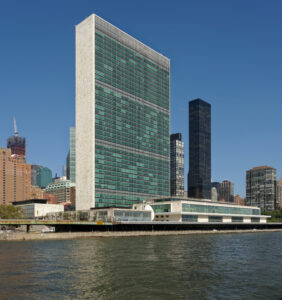
The confrontation unfolded in the corridors of the UN headquarters, where Netanyahu, speaking to reporters following a bilateral meeting, rejected Macron’s characterization of the Israeli government’s policies in the occupied territories. Netanyahu stated that the French leader’s comments were not only factually incorrect but also served to delegitimize Israel’s security operations.
“The remarks made by President Macron are grotesque and represent a profound misunderstanding of the reality on the ground,” Netanyahu said, according to transcripts released by the Israeli Prime Minister’s Office. “France has historically been a partner in the fight against terrorism, but these statements undermine that partnership and align with the rhetoric of our adversaries.”
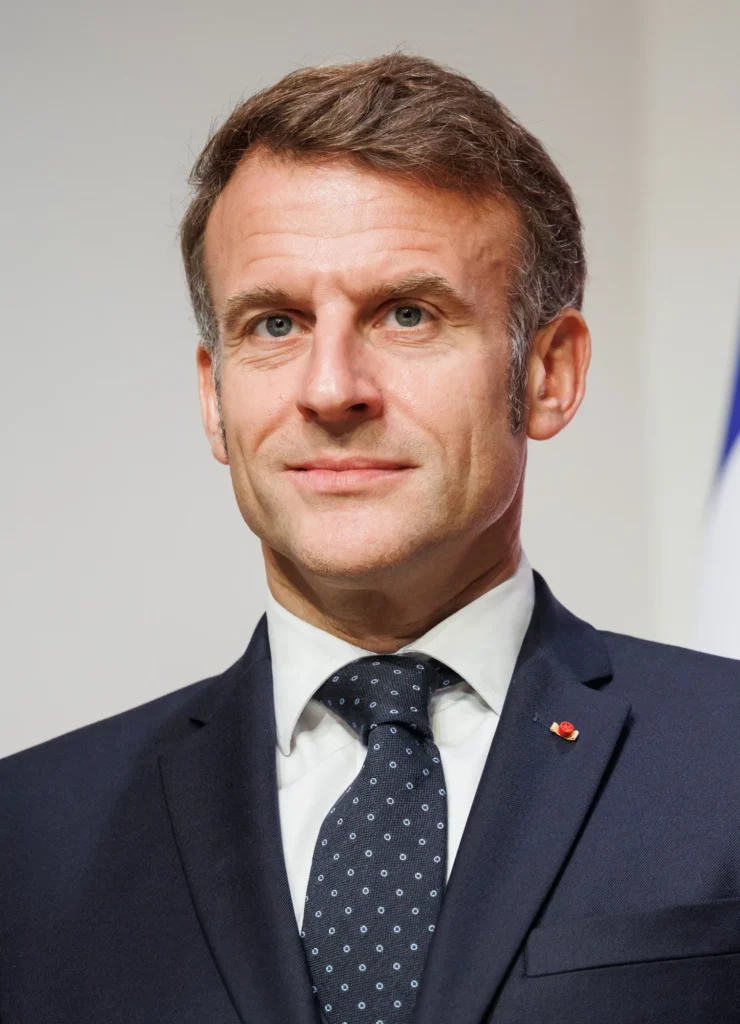
Macron, who addressed the General Assembly earlier in the week, had urged the international community to take a firmer stance on the expansion of settlements in the West Bank, describing the current trajectory as a “legal and moral dead end.” The French President emphasized that the two-state solution remains the only viable path to lasting peace in the Middle East and called for increased pressure on Israel to halt settlement activities.
In response to the Israeli criticism, a senior French diplomatic source told The Jerusalem Post that Macron’s comments had been “mistranslated” in certain media outlets, suggesting that the nuance of the original French statement was lost in translation. The source insisted that Macron’s intent was to urge dialogue and de-escalation, not to condemn Israel’s existence or security needs.
The exchange highlights a growing divergence in foreign policy approaches between Paris and Jerusalem. While France has traditionally maintained a balanced stance in the Israeli-Palestinian conflict, recent statements from the Macron administration have been perceived in Israel as increasingly sympathetic to Palestinian positions. Israeli officials have expressed concern that European nations are moving away from traditional support for Israel in international forums, particularly at the UN.
Analysts note that the timing of the dispute is sensitive, occurring amid ongoing indirect talks between the United States and Iran, which have been downplayed by Tehran but are closely monitored by regional powers. The Mideast diplomatic landscape is currently complex, with multiple bilateral and multilateral negotiations taking place simultaneously.
Netanyahu’s office did not immediately respond to requests for further comment on the specific diplomatic implications of the exchange. However, Israeli diplomats in New York indicated that the government would continue to engage with European partners while firmly defending its position on the West Bank.
The UN Secretary-General, who has called for calm and dialogue in the region, has not yet commented on the specific dispute between the Israeli and French leaders. The General Assembly session is expected to conclude later this week, with final resolutions on Middle East peace still under negotiation.
This incident adds to a series of recent diplomatic frictions between Israel and European allies, who have increasingly criticized Israel’s military operations and settlement policies. The dispute underscores the challenges facing international diplomacy in the Middle East, where competing narratives and geopolitical interests continue to shape the discourse.
Primary Sources & Official Records
- Netanyahu calls Macron’s remarks on West Bank in UN speech ‘grotesque’
- Macron’s Hamas West Bank comments were mistranslated, French source says – The Jerusalem P
- Israel’s Netanyahu calls Macron’s UN remarks on West Bank ‘grotesque’ – Yahoo
- Iran downplays indirect talks with U.S., and other Mideast developments – WKMG