WASHINGTON — Iran’s foreign minister said on Tuesday that only a negotiated settlement can end the escalating conflict in the Strait of Hormuz after U.S. President Donald Trump rejected a proposal put forward by Tehran earlier in the week.
Trump’s Rejection Triggers Diplomatic Standoff
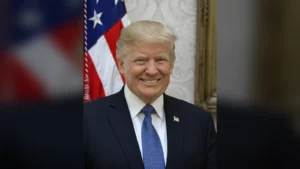
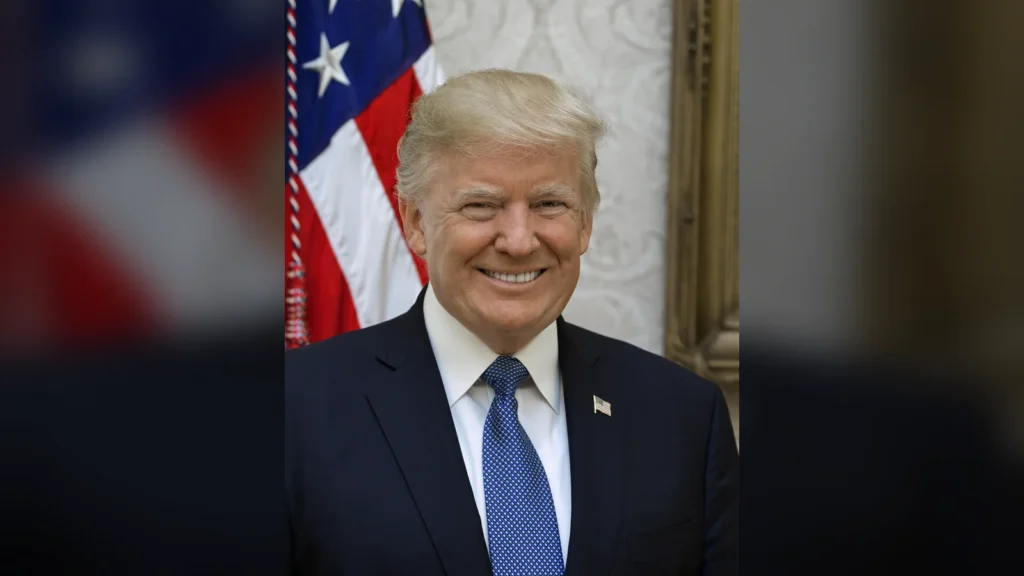
President Trump, speaking at the White House briefing room, dismissed the Iranian offer as insufficient, stating that the United States would not compromise on what he described as “unfair concessions” that could jeopardise American maritime security. The rejection came after Iran’s foreign ministry presented a draft framework that called for a phased de‑escalation of naval patrols and the establishment of a joint monitoring mechanism.
In response, Iran’s foreign minister, Hossein Amir‑Abdollahian, told reporters in Tehran that the United States’ refusal left no alternative but to pursue a diplomatic solution. He emphasized that Iran remained committed to a peaceful resolution and warned that continued military posturing could further destabilise the vital shipping lane.
UN Ambassador Challenges Iran’s Good‑Faith Claim
U.S. Ambassador to the United Nations, Linda Waltz, countered Tehran’s position in a separate statement, asserting that Iran had not engaged in negotiations in good faith. Waltz cited recent Iranian missile tests and the deployment of additional naval assets in the Gulf as evidence of Tehran’s unwillingness to de‑escalate.
The ambassador called on the United Nations Security Council to consider additional sanctions if Iran persisted in actions that threatened the free flow of commerce through the strait, which carries roughly 20% of global oil shipments.
Regional Reactions and Economic Stakes
Countries bordering the Persian Gulf, including Saudi Arabia and the United Arab Emirates, expressed concern over the heightened tension. Saudi Foreign Minister Prince Khalid Al‑Faisal warned that any disruption to the Hormuz corridor would have “serious repercussions for global energy markets.”
Analysts note that a prolonged standoff could push oil prices higher, potentially adding ₹300–₹500 per barrel to Indian diesel costs, given the country’s reliance on Middle‑East crude imports.
Background on the Proposed Deal
The draft agreement, first disclosed by Iranian officials on 22 September, outlined three phases: an immediate cease‑fire, a joint verification regime for naval movements, and a long‑term framework for economic cooperation. Tehran argued that the plan would address security concerns while allowing both sides to maintain sovereign rights over their territorial waters.
U.S. officials, however, argued that the proposal failed to address what they described as Iran’s “support for regional proxy forces” and its “ballistic missile programme.” The administration indicated that any future talks would require a broader security package, including constraints on Iran’s missile development.
Potential Paths Forward
Despite the current impasse, diplomatic channels remain open. The European Union’s foreign policy chief, Josep Borrell, offered to mediate, suggesting that a multilateral framework could bridge the gaps between Washington and Tehran.
Iran’s foreign ministry reiterated its willingness to engage in “constructive dialogue” and signaled that it would seek support from the Non‑Aligned Movement to pressure the United States into reconsidering its stance.
Implications for International Trade
Shipping companies have already begun rerouting vessels around the Cape of Good Hope, adding an estimated 10‑12 days to transit times. The International Maritime Organization warned that such diversions could increase freight costs by up to 15% and raise carbon emissions.
India’s Ministry of Commerce noted that any prolonged disruption could affect the country’s import of crude oil, which accounts for roughly 80% of its energy mix, and urged regional partners to seek a swift diplomatic resolution.
Primary Sources & Official Records
- Iranian minister says only negotiation can end conflict after Trump rejects Hormuz deal
- Iranian minister says only negotiation can end conflict after Trump rejects Hormuz deal –
- UN ambassador Waltz says Iran was not negotiating ‘in good faith’ to end war – The Guardia
- Only ‘Negotiated Solution’ Can Get US Out of ‘Deadlock,’ Iranian Diplomat Says After Trump