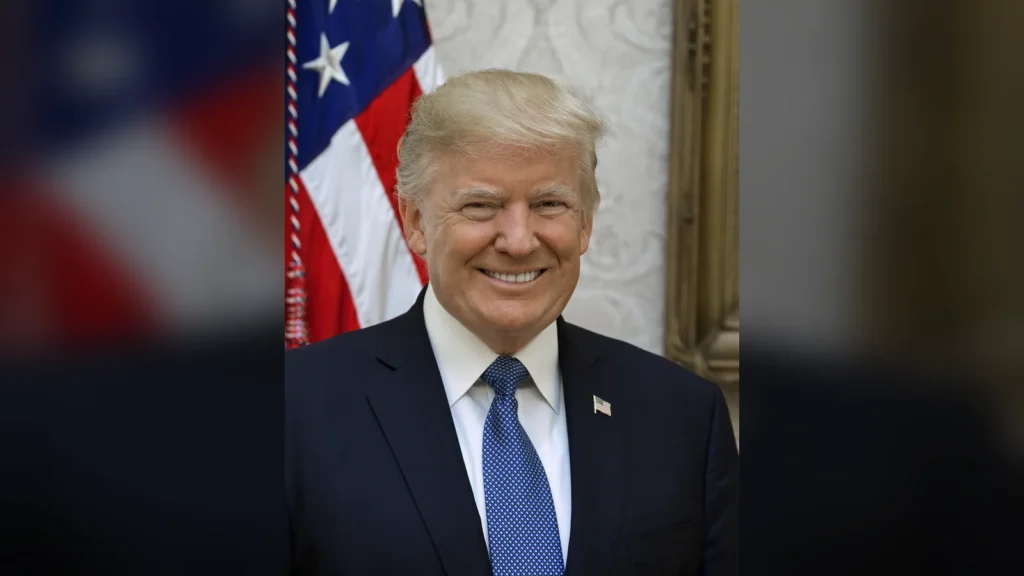
GENEVA — Iranian officials stated on Sunday that only a negotiated settlement can resolve the ongoing conflict with the United States, following President Donald Trump’s public rejection of a proposed deal regarding navigation in the Strait of Hormuz. The diplomatic exchange highlights a persistent deadlock between Washington and Tehran, with both sides offering conflicting assessments of the other’s intent and good faith in the peace process.
The comments from the Iranian foreign ministry come at a critical juncture in the broader geopolitical standoff. According to reporting by BBC News, Iranian ministers emphasized that military escalation would not yield a sustainable outcome and that diplomatic engagement remains the sole viable mechanism for de-escalation. This stance contrasts sharply with the position articulated by the United States, which has characterized recent Iranian overtures as insufficient to meet American security requirements.
Washington’s assessment of Iranian intent
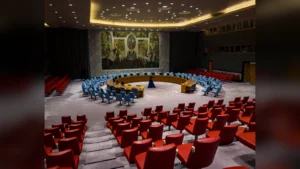
In a parallel development, U.S. Ambassador to the United Nations Michael Waltz stated that Iran was not negotiating in good faith to end the war. As reported by The Guardian, Ambassador Waltz’s remarks underscore the administration’s skepticism regarding Tehran’s commitment to a comprehensive peace agreement. The U.S. delegation at the United Nations has consistently argued that previous diplomatic efforts have been undermined by Iranian actions that it views as inconsistent with stated intentions.
The divergence in rhetoric between the two capitals reflects a deeper structural disagreement over the terms of any potential accord. While Tehran focuses on the necessity of lifting sanctions and ensuring non-interference in its internal affairs, Washington insists on verifiable commitments to limit Iran’s nuclear program and curb its support for regional proxy groups. The rejection of the specific Hormuz deal by President Trump signals that the U.S. is unwilling to accept a framework that does not address these broader strategic concerns.
Strategic implications of the Hormuz dispute
The Strait of Hormuz remains a focal point of tension due to its critical role in global energy markets. Approximately one-fifth of the world’s daily oil supply transits through this narrow waterway, making any disruption a matter of significant economic consequence. The proposed deal, which was rejected by the U.S. president, reportedly included provisions for enhanced maritime security cooperation and the de-escalation of naval confrontations in the region.
Analysts note that the rejection of this specific framework does not necessarily preclude future negotiations, but it does indicate that the current diplomatic track has stalled. The Iranian insistence on a negotiated solution suggests that Tehran is seeking to maintain a diplomatic channel while preparing for the possibility of prolonged confrontation. This dual-track approach allows Iranian leaders to appeal to domestic audiences by demonstrating a willingness to negotiate, while simultaneously maintaining a defensive posture against potential military action.
International reaction and diplomatic outreach
International observers have called for both sides to return to the negotiating table, warning that continued escalation could have destabilizing effects on global energy prices and regional security. European diplomats, in particular, have urged for a resumption of talks, citing the economic impact of prolonged uncertainty in the Gulf region. The United Nations Secretary-General has also reiterated the importance of diplomatic resolution, emphasizing that military options should be considered only as a last resort.
Despite the current impasse, some diplomatic sources indicate that back-channel communications between the two countries remain active. These informal discussions, while not yet yielding a breakthrough, provide a potential pathway for future engagement. The challenge lies in bridging the significant gap between the positions of the two sides, which requires not only political will but also technical agreements on verification mechanisms and enforcement protocols.
As the situation evolves, the focus will remain on whether either side is willing to make concessions that could lead to a comprehensive agreement. The coming weeks are likely to be critical in determining whether the conflict moves toward de-escalation or further intensification, with significant implications for global stability and economic markets.