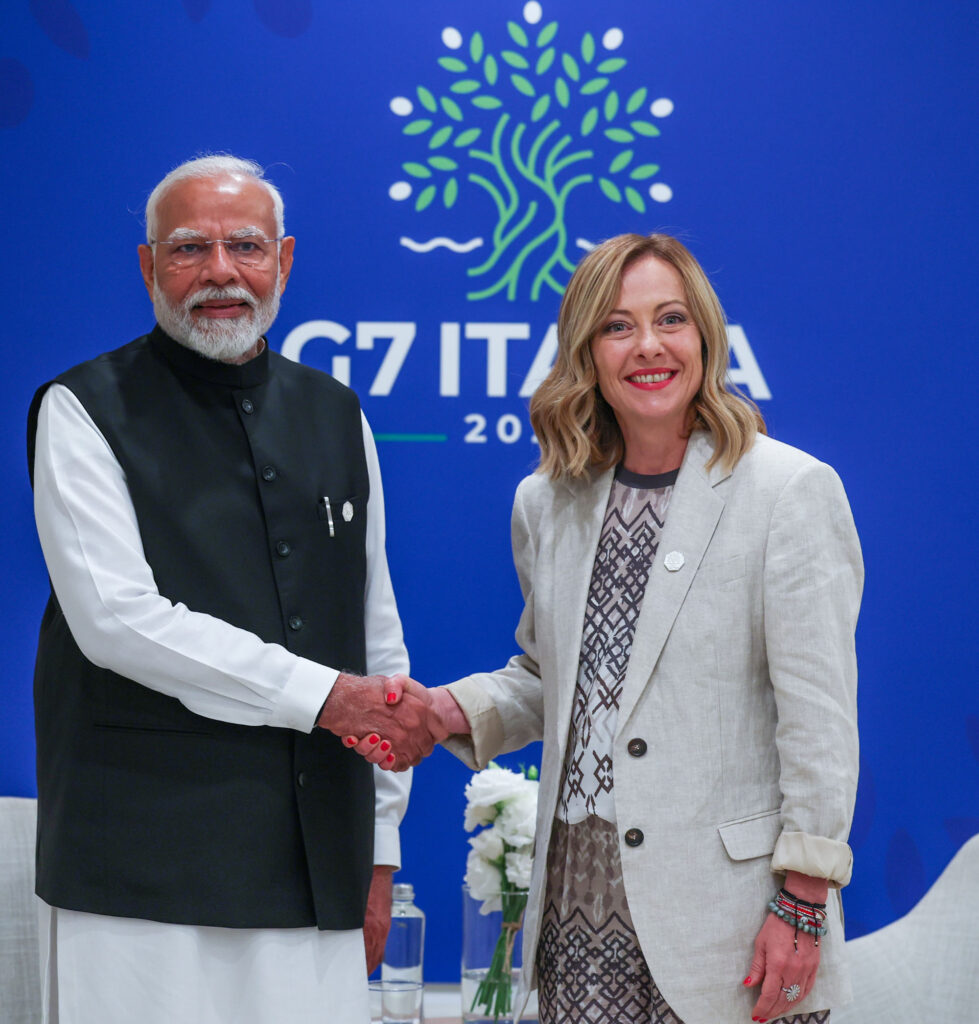
NEW DELHI — Leaders of the Group of Seven gathered in Hiroshima on Sept. 12, 2026 and released a joint trade outlook that projects global merchandise trade to expand 4.2% in 2027, driven by digital services, renewable‑energy equipment and high‑value manufacturing, the summit’s final communiqué said. The forecast, published by the G7 Trade Working Group, marks the steepest year‑on‑year increase since 2019 and underscores the bloc’s intent to shape post‑pandemic growth pathways.
G7 Data Highlights New Growth Drivers
The communiqué noted that exports of green‑technology components are expected to rise by 7.5% in 2027, outpacing overall trade growth. Digital‑service trade, including cloud computing and fintech, is slated for a 6.8% jump, reflecting the sector’s expanding cross‑border demand. Analysts at TradeImeX, citing the G7 figures, warned that the pace of growth will hinge on the implementation of agreed‑upon tariff reductions and the removal of non‑tariff barriers in the EU, US, Japan, Canada and the three European partners.
BRICS Counterbalance: Intra‑Bloc Trade Surpasses $1.17 Trillion
While the G7 emphasised a diversified, technology‑led recovery, the BRICS summit in Johannesburg last week reported that intra‑bloc trade crossed $1.17 trillion in 2025, a 12% rise from the previous year, according to the CSR Journal. The surge was driven largely by energy‑related shipments between Russia and China, and agricultural exports from Brazil to India.
Down To Earth highlighted that the BRICS agenda is shifting toward climate‑resilient trade, with member states pledging joint investments in low‑carbon infrastructure. The bloc’s emphasis on South‑South cooperation is positioning it as a parallel engine of growth, especially for emerging economies that feel sidelined by G7 policy prescriptions.
Geopolitical Underpinnings
Bloomberg reported that a tentative thaw between Chinese President Xi Jinping and Indian Prime Minister Narendra Modi at the BRICS meeting softened rhetoric on trade disputes, yet deep divisions remain over market access and technology transfer. The brief rapprochement, however, did not translate into concrete G7‑BRICS coordination, leaving the global trade architecture fragmented.
Implications for India
India, a G20 member but not a G7 participant, stands to benefit from both narratives. The country’s export basket of pharmaceuticals, IT services and renewable‑energy equipment aligns with the G7’s growth sectors, while its agricultural trade gains from the BRICS surge. Trade experts caution that India must navigate divergent standards and certification regimes to fully capture the projected 4.2% global trade lift.
Outlook
The dual trajectories—G7’s technology‑centric forecast and BRICS’ commodity‑heavy expansion—create a competitive environment for market share. Policymakers in Washington, Brussels and Tokyo have signalled readiness to negotiate new digital‑trade accords, while Beijing and Moscow are deepening supply‑chain links within the Global South. The next round of multilateral talks, slated for the WTO ministerial in Abu Dhabi in 2027, will likely test whether these competing visions can be reconciled.
Primary Sources & Official Records
- G7 Summit 2026 Highlights: Trade Data Reveals the Future of World Economic Growth
- BRICS 2026 shows how the Global South agenda is shifting on climate, trade and development
- BRICS Summit 2026 Reports Intra-Bloc Trade Surpassing $1.17 Trillion – The CSR Journal
- Xi-Modi Thaw at BRICS Masks Deep Divisions Between Asian Rivals – Bloomberg