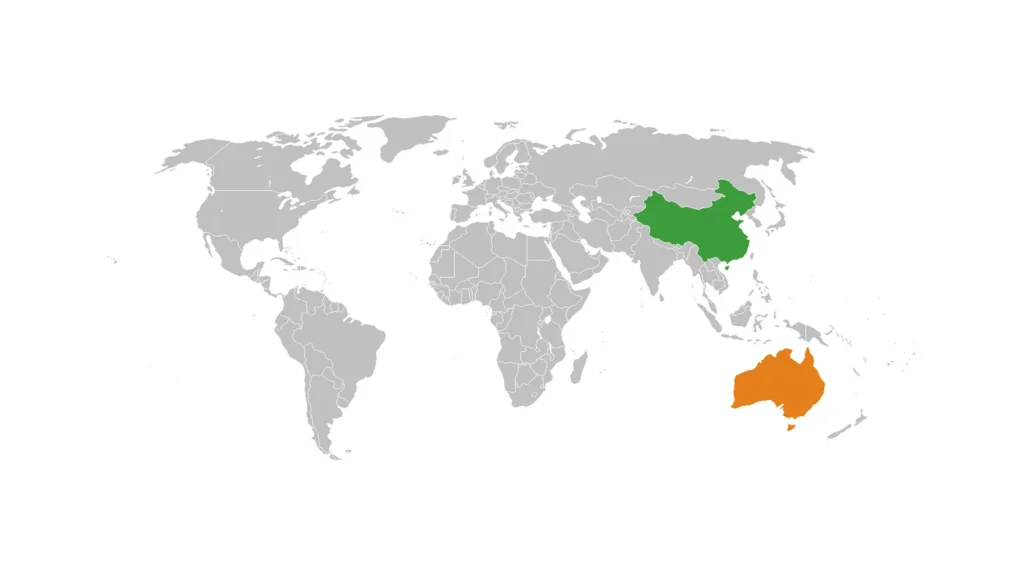
WASHINGTON — Australian policymakers are recalibrating their approach to China as the United States deepens its strategic push in the Indo‑Pacific, officials said on Wednesday. The shift follows a series of high‑profile diplomatic visits, new trade restrictions and expanded defence cooperation that have heightened Canberra’s need to manage competing pressures without alienating either superpower.
Strategic recalibration
Australia’s foreign ministry outlined a three‑part framework in a statement released on 26 September. The plan emphasizes (1) safeguarding critical supply chains, particularly in rare‑earth minerals and agricultural products, (2) strengthening alliance commitments under the ANZUS treaty, and (3) maintaining constructive engagement with Beijing on climate change and regional stability.
Economic analysts note that China remains Australia’s largest two‑way trading partner, accounting for roughly 15 % of total exports in 2025, with iron ore, coal and education services leading the flow. At the same time, the United States has increased its military presence in the region, conducting joint exercises with Australian forces and expanding the AUKUS security pact.
Trade tensions and policy adjustments
In March 2026, the Australian government imposed export controls on certain advanced‑technology components destined for Chinese firms, citing national‑security concerns. The move prompted a reciprocal restriction from Beijing on Australian barley and wine, which had already been under a broader import ban since 2020. Trade ministers reported that negotiations are ongoing to resolve the dispute, with a view to restoring market access while preserving security safeguards.
Australian businesses have responded by diversifying supply chains, seeking alternative markets in Southeast Asia and Europe. The Department of Industry reported a 12 % increase in export contracts to Vietnam and Indonesia between January and August 2026, offsetting some of the revenue loss from Chinese restrictions.
Security alignment with the United States
Defense officials highlighted the signing of a new maritime cooperation agreement with the United States on 14 September, which expands joint patrols in the South China Sea and enhances intelligence sharing. The agreement aligns with the broader AUKUS framework, under which Australia will acquire nuclear‑powered submarines from the United States and the United Kingdom.
Senior defence analysts warned that the procurement program, valued at approximately ₹1.2 trillion, could provoke further diplomatic friction with Beijing, which has previously criticised Australia’s defence posture. Nonetheless, the Australian government maintains that the submarines are essential for protecting sea lanes that carry more than 70 % of the nation’s trade.
बीजिंग के प्रति कूटनीतिक प्रयास
सुरक्षा संबंधी रुख के बावजूद, कैनबरा आपसी चिंता के विषयों पर बीजिंग से संवाद बनाए रखने का प्रयास कर रहा है। 22 सितंबर को हुई द्विपक्षीय बैठक में, ऑस्ट्रेलियाई और चीनी विदेश मंत्रालय के अधिकारियों ने जलवायु सहयोग पर अपने विचारों का आदान-प्रदान किया और नवीकरणीय ऊर्जा प्रौद्योगिकियों पर संयुक्त शोध फिर से शुरू करने पर सहमति जताई। इस संवाद में ताइवान जलसमूद्र की स्थिति पर भी चर्चा हुई, जहाँ दोनों पक्षों ने शांतिपूर्ण समाधान के पक्ष में अपनी प्राथमिकता दोहराई, हालाँकि उन्होंने नीतिगत स्थितियों में पूर्ण समन्वय करने से इनकार कर दिया।
ऑस्ट्रेलियाई कूटनीतिज्ञों ने जोर देकर कहा कि निर्मative संवाद का अर्थ चीनी नीतियों की स्वीकृति नहीं है, जो ऑस्ट्रेलियाई मूल्यों, जैसे मानवाधिकार मानकों, के विरुद्ध होती हैं। विदेश मंत्रालय के ब्रीफिंग में उल्लेख किया गया कि ऑस्ट्रेलिया बहुपक्षीय मंचों, जिनमें संयुक्त राष्ट्र मानवाधिकार परिषद शामिल है, पर अपनी चिंताओं को व्यक्त करने का कार्य जारी रखेगा।
सार्वजनिक राय और राजनीतिक परिदृश्य
ऑस्ट्रेलियन इंस्टीट्यूट ऑफ पब्लिक अफेयर्स द्वारा किए गए हाल के सर्वेक्षण के अनुसार, 58 प्रतिशत प्रतिक्रियादाता संयुक्त राज्य अमेरिका के साथ मजबूत गठबंधन के पक्ष में हैं, जबकि 42 प्रतिशत चीन के साथ मजबूत आर्थिक संबंधों को प्राथमिकता देते हैं। यह डेटा एक सूक्ष्म सार्वजनिक भावना को दर्शाता है, जो सरकार को सुरक्षा संबंधी आवश्यकताओं और आर्थिक वास्तविकताओं के बीच संतुलन बनाने के लिए दबाव में रखती है।
प्रधानमंत्री एंथोनी अल्बानेज़ ने 27 सितंबर को संसद को संबोधित करते हुए देश की “रणनीतिक स्वायत्तता” की पुष्टि की और “बड़े शक्तियों के प्रतिस्पर्धा की जटिलताओं को बिना राष्ट्रीय हितों को समझौता किए पार करने” का वचन दिया। यह बयान सरकार की इच्छाशक्ति को रेखांकित करता है कि वह सुरक्षा संबंधी मामलों में सहयोगी साथियों के साथ समन्वय बनाए रखते हुए भी स्वतंत्र रूप से कार्य करेगी।
क्षेत्रीय प्रभाव
ऑस्ट्रेलिया का दृष्टिकोण पड़ोसी देशों द्वारा गंभीरता से देखा जा रहा है, जिनमें से कई समान उलझनों का सामना कर रहे हैं। विशेषज्ञों का सुझाव है कि कैनबरा का चयनात्मक संवाद का मॉडल उन छोटे इंडो-पैसिफिक देशों के लिए एक नमूना (टेम्पलेट) के रूप में काम आ सकता है, जो संयुक्त राज्य अमेरिका और चीन के बीच द्विआधारी विकल्प में फंसे रहने से बचना चाहते हैं।
आगामी महीनों में, ऑस्ट्रेलियाई सरकार को अपने वार्षिक विदेश नीति सफेद कागज (व्हाइट पेपर) को अंतिम रूप देने की उम्मीद है, जिसमें संभवतः त्रि-आधारी ढांचे को कानूनी रूप दिया जाएगा और व्यापार विविधीकरण, रक्षा खरीद और कूटनीतिक प्रयासों के लिए विस्तृत उपाय तय किए जाएंगे।