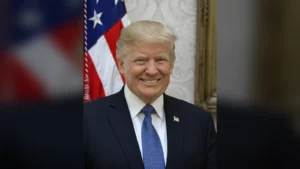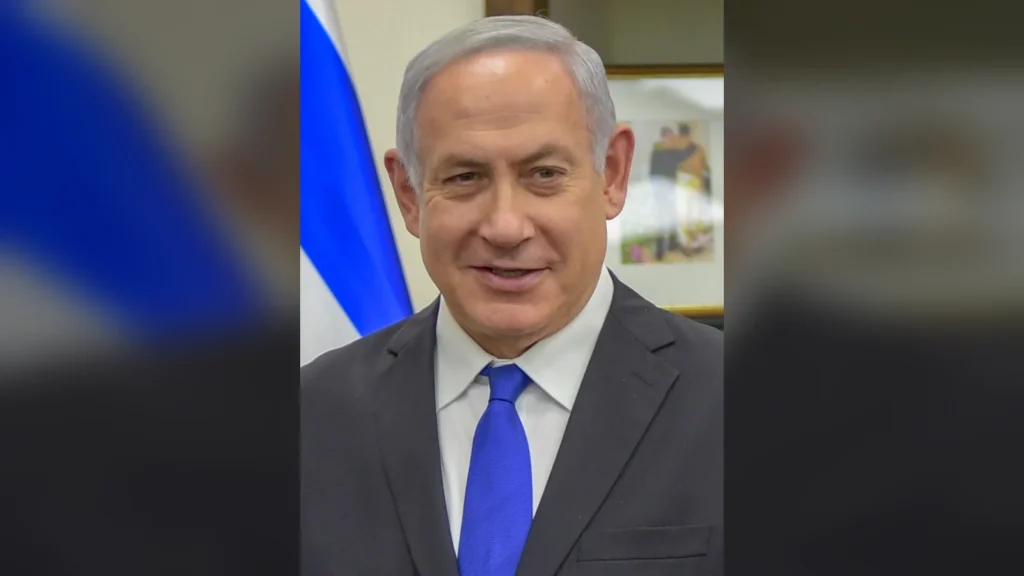
NEW YORK — Prime Minister Benjamin Netanyahu delivered a fiery address to the United Nations General Assembly on Thursday, defending Israel’s military operations in Gaza and condemning what he called a “one‑sided” narrative from the UN. The speech, delivered at 21:00 GMT, was interrupted by a walkout of several diplomats from countries including the United States, France, and the United Kingdom, who cited the tone and content of the remarks as “unacceptable.”
UN Stage and Global Context
Netanyahu’s address came amid a protracted conflict that began in October 2023, when Hamas militants launched an attack on Israeli territory, prompting a large‑scale Israeli military response. The Gaza Strip has since seen extensive airstrikes and ground operations, with Israel citing self‑defence against ongoing rocket fire and a threat from Iran’s support for militant groups. The United Nations has repeatedly called for a cease‑fire and humanitarian access, while several member states have expressed concern over civilian casualties.
Key Points of the Speech
In his address, Netanyahu emphasized that Israel’s actions were “necessary and proportionate” to the threat posed by Hamas. He described the conflict as a “fight for survival” and urged the General Assembly to “recognise the reality on the ground.” The Prime Minister also criticized the UN’s “biased reporting” and accused the organization of “failing to acknowledge Israel’s security concerns.”
Netanyahu referenced the “Mamdani” report, a UN‑commissioned study on Gaza, calling it “inaccurate” and “politically motivated.” He urged member states to support Israel’s right to self‑defence and to reject what he described as “unilateral calls for a cease‑fire that ignore the ongoing threat from Hamas and Iran.”
Diplomatic Walkout
During the speech, diplomats from the United States, France, the United Kingdom, and several other countries walked out. The walkout was described by the U.S. State Department as a “statement of protest” against the “unacceptable tone” of the address. The British Foreign Office issued a brief statement noting that the walkout was a “response to the Prime Minister’s remarks, which it deemed to be a departure from the principles of constructive dialogue.”
Reactions from International Bodies
The United Nations Human Rights Council released a statement after the speech, calling for an “immediate cease‑fire” and urging all parties to “respect international humanitarian law.” The Council’s statement was issued by the council’s spokesperson, who said the council would “continue to monitor the situation closely.”
In the United States, the White House issued a statement saying it “remains committed to a peaceful resolution” and that it would “continue to engage with Israel on security and humanitarian concerns.” The statement also noted that the U.S. would “work with allies to address the humanitarian impact of the conflict.”
Impact on Netanyahu’s Political Future
Netanyahu’s speech comes at a time of heightened scrutiny over his leadership, both domestically and internationally. Analysts have noted that the Prime Minister’s remarks could affect his standing within the coalition government and his prospects for re‑election. However, the speech also reinforced his position among supporters who view the conflict as a defensive necessity.
Conclusion
The UN General Assembly session ended with a call for renewed diplomatic efforts to address the Gaza conflict. Netanyahu’s address, while defended by his supporters, has intensified international debate over Israel’s military strategy and the role of the UN in mediating the crisis.
Primary Sources & Official Records
- Netanyahu defends Israeli military actions in Middle East in UN speech
- Netanyahu defends military action, rips Mamdani, in fiery UN speech – The Center Square
- Netanyahu defends Israel in U.N. speech after several diplomats walk out – CBS News
- Israel’s Netanyahu takes the U.N. stage facing global isolation and a fight for his politi