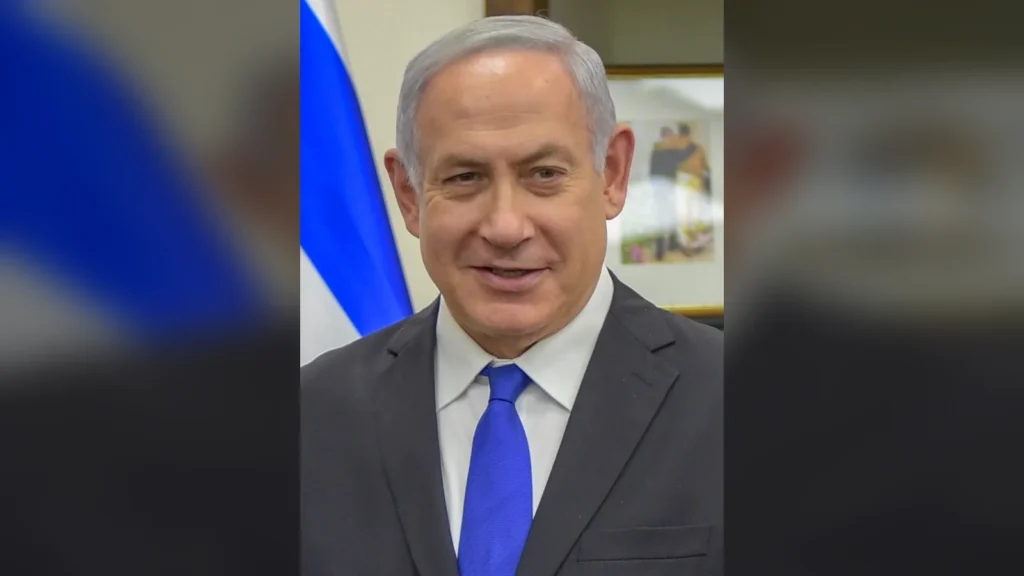
NEW YORK — Israeli Prime Minister Benjamin Netanyahu addressed the 2026 United Nations General Assembly on Thursday, calling Israel’s adversaries and some of its allies “dangerous” and “unreliable.” He said the decision to strike Iran’s nuclear facilities was “one of the easiest decisions” he had ever made, a statement that drew criticism from several member states.
Netanyahu’s speech amid global isolation
Netanyahu’s remarks came as Israel’s war in Gaza continued and the country faced mounting diplomatic pressure. He warned that Iran’s support for militant groups in the region posed a direct threat to Israel’s security and that the United States had not done enough to counter that threat. The prime minister also criticized European allies for what he described as a lack of solidarity, arguing that their public statements did not match their actions on the ground.
During the address, Netanyahu highlighted Israel’s military operations in Gaza, noting that the country had taken “decisive steps” to protect its citizens. He said that the attacks on Iranian targets were a necessary measure to prevent the proliferation of nuclear weapons in a volatile region. The speech was delivered in a tone that underscored the urgency of Israel’s security concerns, while also acknowledging the broader international debate over the use of force.
Netanyahu’s comments were met with a mixed response from the assembly. Several delegations expressed concern over the escalation of tensions and called for renewed diplomatic efforts. The United Nations Secretary‑General’s office issued a statement urging all parties to pursue a peaceful resolution to the conflict in Gaza and to engage in constructive dialogue with Iran.
In the days following the speech, Israeli officials reiterated that the prime minister’s remarks were a reflection of the country’s security priorities. The Israeli Ministry of Foreign Affairs issued a statement that the government would continue to work with international partners to address the threats posed by Iran and other hostile actors in the region.
Netanyahu’s address also highlighted the domestic political context. He noted that his government faced increasing scrutiny from opposition parties and that the upcoming elections would test his leadership. The prime minister’s remarks were seen by some analysts as an attempt to rally domestic support amid growing criticism of his handling of the Gaza conflict.
International observers have noted that Netanyahu’s speech comes at a time when Israel’s diplomatic relationships are under strain. The United States has expressed concern over the escalation in the Middle East, while European nations have called for a balanced approach that includes humanitarian considerations in Gaza. The prime minister’s critique of allies reflects a broader debate over the role of Western powers in the region.
Netanyahu’s statement that attacking Iran was “one of the easiest decisions” he had ever made was reported by several media outlets, including Al Jazeera, PBS, NBC News, and KPTV. The speech was recorded and made available on the United Nations’ official website, where it was viewed by delegates from more than 190 member states.
Primary Sources & Official Records
- Benjamin Netanyahu attacks Israel’s enemies and allies in UN speech
- WATCH: Israeli Prime Minister Netanyahu addresses 2026 UN General Assembly – PBS
- Israel’s Netanyahu takes the U.N. stage facing global isolation and a fight for his politi
- Israel’s Netanyahu says at UN that attacking Iran was ‘one of the easiest decisions’ he’s