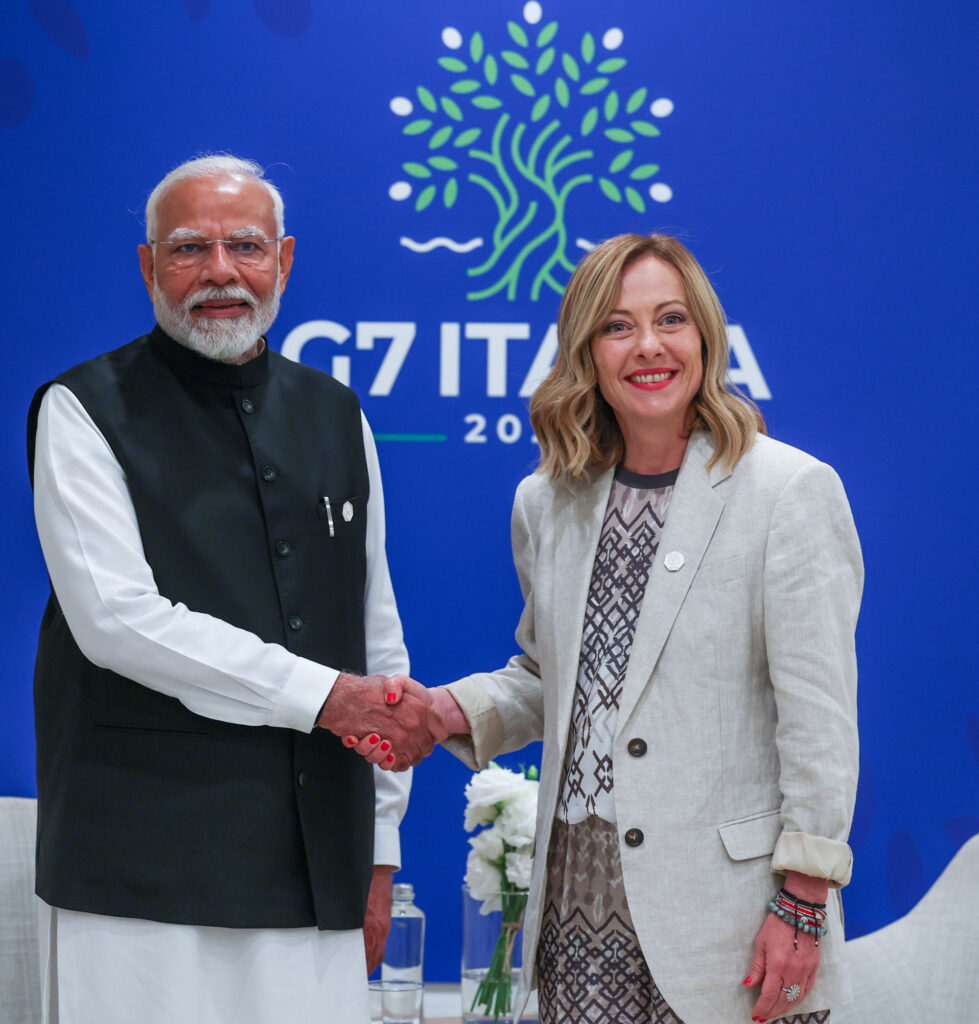
PARIS — Trade data released during the 2026 G7 Summit indicates a fundamental restructuring of global economic growth patterns, as Western blocs navigate a complex landscape defined by de-risking strategies and the rapid consolidation of the Global South. The summit, held in June 2026, produced a set of trade metrics that challenge traditional assumptions about the dominance of Western-led supply chains, highlighting a bifurcated global economy where regional blocs are increasingly self-sufficient.
Trade Metrics and Economic Realignment
According to analysis published by TradeImex, the trade data presented at the summit reveals that while G7 nations maintain high per-capita output, their collective share of global trade volume has stagnated. This trend coincides with a significant surge in intra-bloc trade among BRICS nations. Reports from The CSR Journal note that intra-BRICS trade surpassed $1.17 trillion in 2026, a figure that underscores the growing economic gravity of the Asian and Latin American bloc. This shift is not merely statistical; it reflects a deliberate policy pivot toward localized production and reduced dependence on Western financial infrastructure.
Policy Context and Strategic Responses
The G7 leaders’ response to these trends has been characterized by a focus on “resilient trade” rather than pure liberalization. Official statements from the summit emphasized the need to secure critical mineral supply chains and reduce vulnerability to geopolitical shocks. However, critics argue that these measures, while framed as security imperatives, risk fragmenting the global market into competing spheres of influence. The data suggests that the future of world economic growth will be less about aggregate global expansion and more about the efficiency and stability of these distinct regional economies.
The BRICS Counter-Narrative
Parallel to the G7 discussions, the 2026 BRICS Summit provided a contrasting narrative, focusing on development finance and climate adaptation. Down To Earth reported that the BRICS agenda is shifting decisively on climate, trade, and development, prioritizing the needs of the Global South over the regulatory frameworks preferred by Western institutions. This divergence is evident in the diplomatic interactions between major Asian powers. Bloomberg reported on the “Xi-Modi thaw” at the BRICS summit, noting that while India and China displayed a diplomatic warming, deep structural divisions between the two Asian rivals remain. This dynamic complicates the G7’s efforts to present a unified front on trade rules, as the largest economies in Asia are increasingly operating within a separate, BRICS-centric framework.
Implications for Global Growth
The combined effect of these developments is a world economy that is more fragmented but potentially more resilient to localized shocks. The G7’s trade data highlights that growth is no longer a monolithic global phenomenon but a series of regional stories. For policymakers, the challenge is to maintain open markets while protecting domestic industries from the competitive pressures of a rapidly integrating non-Western bloc. The 2026 data serves as a clear indicator that the era of unipolar economic leadership is ending, replaced by a multipolar system where trade flows are dictated by geopolitical alignment as much as by comparative advantage. As the year progresses, the focus will shift to how these new trade architectures impact inflation, investment flows, and technological innovation across both blocs.
Primary Sources & Official Records
- G7 Summit 2026 Highlights: Trade Data Reveals the Future of World Economic Growth
- BRICS 2026 shows how the Global South agenda is shifting on climate, trade and development
- BRICS Summit 2026 Reports Intra-Bloc Trade Surpassing $1.17 Trillion – The CSR Journal
- Xi-Modi Thaw at BRICS Masks Deep Divisions Between Asian Rivals – Bloomberg.com