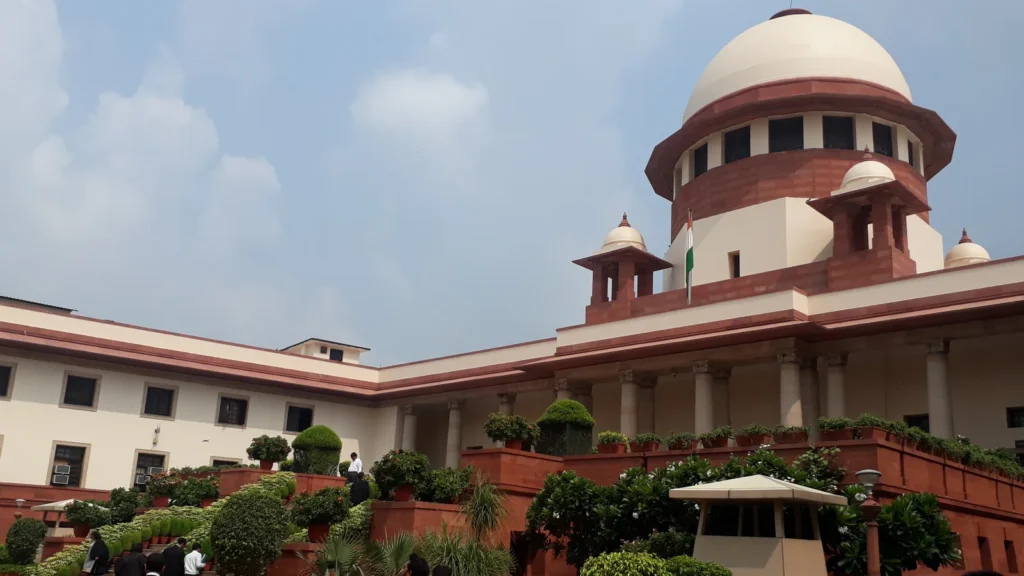
NEW DELHI — A report released by panels appointed by the Supreme Court on 28 September 2026 found that 9% of students surveyed across the country admit to having suicidal thoughts. The finding, based on a nationwide survey of more than 10,000 students aged 12 to 18, raises concerns about the mental‑health climate in Indian schools.
Survey methodology and key findings
The panels, composed of psychologists, educators and legal experts, conducted the survey in a sample of 150 schools spanning urban, semi‑urban and rural regions. Respondents were asked a series of confidential questions about stress, bullying, academic pressure and mental‑health symptoms. The report states that 9% of the respondents reported having thoughts of suicide in the past year. The figure is higher among students in private schools (12%) than in government schools (7%).
In addition to suicidal ideation, the survey recorded that 23% of students reported feeling depressed, and 18% reported experiencing anxiety severe enough to interfere with studies. The panels noted that the prevalence of these symptoms is rising, citing a 4% increase in reported cases over the last five years.
Supreme Court’s response and next steps
In a statement issued on 29 September, the Supreme Court said it had commissioned the panels to examine the growing trend of student suicides and to recommend measures for the government and educational institutions. The Court urged the Ministry of Education to adopt the panels’ recommendations within 90 days and to establish a national task force on student mental health.
The report also highlighted gaps in existing policies. It found that only 35% of schools have a trained counsellor on staff, and 60% of schools lack a formal protocol for dealing with students who express suicidal thoughts. The panels called for mandatory counselling services, regular mental‑health screenings, and teacher training on early warning signs.
Calls for immediate action from educators and NGOs
Following the release of the report, several education NGOs urged the government to act swiftly. The National Association of Teachers’ Colleges (NATC) said that schools should provide “24/7 helplines and crisis‑intervention teams.” The NGO also highlighted the need for better teacher‑student ratios to reduce academic pressure.
In a related article, the Hindustan Times reported that schools across the country are debating whether to install more ceiling fans or to focus on counselling. The piece emphasized that while infrastructure improvements are important, mental‑health support is essential to prevent student suicides. It cited a study by the Indian Institute of Public Health that found a 30% reduction in self‑reported stress after the introduction of school‑based counselling programmes.
Policy implications and future directions
The Supreme Court’s findings come at a time when the Ministry of Education has announced a new “Student Well‑Being” initiative. The initiative, announced earlier this year, aims to integrate mental‑health education into the curriculum and to train teachers in psychological first aid.
Experts say the 9% figure is a wake‑up call for policymakers. Dr. Anil Kumar, a child psychologist who served on one of the panels, said that the data “demonstrates a pressing need for systemic changes in how schools address student mental health.” He added that schools should adopt a multi‑layered approach, combining counselling, peer‑support groups and parental engagement.
In the coming months, the Supreme Court will review the implementation of its recommendations. The Court also plans to hold a public hearing on 15 October to discuss the role of parents, teachers and the government in safeguarding student mental health.