NEW DELHI — The United Arab Emirates has signaled an additional $25 billion investment in India, with bilateral trade targets set to reach $200 billion by 2032, Union Minister of Commerce and Industry Piyush Goyal stated on Tuesday. The announcement, made following high-level bilateral discussions, underscores a strategic deepening of economic ties between the two nations, with specific emphasis on infrastructure, energy security, and emerging technologies.
Strategic Sectors Identified
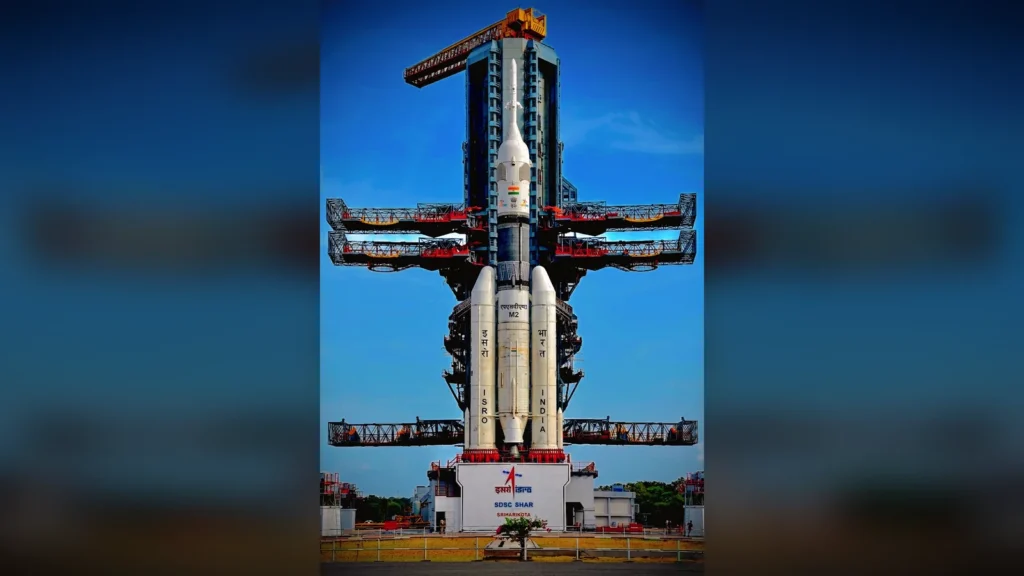
Goyal outlined that the new investment tranche will primarily target three critical sectors: ports, energy, and space. The port sector is expected to benefit from joint ventures aimed at enhancing India’s maritime connectivity and logistics efficiency. In the energy domain, the focus remains on renewable energy projects and the diversification of India’s crude oil supply chain, a priority for New Delhi as it seeks to reduce dependence on any single regional supplier. The space sector, a rapidly growing area of cooperation, is set to see increased collaboration in satellite technology, launch services, and space-based earth observation applications.
The $25 billion figure represents an incremental commitment on top of existing investments. Business Standard reported that the UAE is likely to pour in this additional capital, bringing the overall bilateral investment trajectory in line with the ambitious $200 billion trade target. This target, previously discussed in high-level forums, aims to double the current bilateral trade volume, which has seen steady growth over the past decade driven by strong demand for Indian pharmaceuticals, engineering goods, and services in the Gulf region, and vice versa for hydrocarbons and petrochemicals.
Diplomatic Context and Economic Alignment
The announcement comes at a time when India is actively diversifying its economic partnerships to mitigate geopolitical risks and secure stable energy supplies. The UAE, as one of India’s largest trading partners, plays a pivotal role in this strategy. The bilateral relationship has evolved from traditional trade in oil and goods to a comprehensive strategic partnership encompassing defense, technology, and cultural exchanges.
According to reporting by The Hindu, the discussions also touched upon the facilitation of trade and investment, including the simplification of customs procedures and the harmonization of standards. Goyal noted that the two countries are working towards a more integrated economic ecosystem, with the goal of making the UAE a key partner in India’s manufacturing and export ambitions. The minister emphasized that the new investments would create significant employment opportunities and boost India’s industrial capacity, particularly in the coastal regions where major port projects are planned.
Investment Flow and Sectoral Breakdown
While the exact breakdown of the $25 billion across the three sectors has not been detailed in the initial announcement, industry analysts suggest that the port sector will receive a substantial portion. India’s National Ports Policy aims to increase the share of waterborne trade, and UAE capital is seen as a crucial catalyst for this transition. The energy sector is expected to see investments in solar and wind power projects, as well as in the development of green hydrogen infrastructure. The space sector, though smaller in immediate financial terms, is considered high-value due to its long-term strategic implications and potential for technology transfer.
Prameyanews.com reported that the bilateral trade target of $200 billion by 2032 is ambitious but achievable given the current growth trajectory. The two countries have already exceeded their previous trade targets, and the new goal reflects the confidence of both governments in the resilience of their economic partnership. The announcement is also seen as a positive signal to other global investors, indicating India’s continued attractiveness as a destination for foreign direct investment.
Implementation and Regulatory Framework
The implementation of these investments will require a robust regulatory framework and streamlined approval processes. The Indian government has been working to improve its ease of doing business rankings, and the UAE’s commitment is expected to further incentivize reforms in areas such as land acquisition, environmental clearances, and labor laws. Joint working groups have been established to monitor the progress of the investments and address any bottlenecks that may arise. The minister assured that the government would provide all necessary support to ensure that the projects are executed on schedule and deliver the expected economic benefits.
The UAE’s decision to invest an additional $25 billion in India is a testament to the strength of the bilateral relationship and the mutual economic interests of the two nations. As India continues to emerge as a global economic powerhouse, partnerships with key trading partners like the UAE will be crucial in sustaining its growth momentum. The focus on ports, energy, and space sectors aligns with India’s long-term development goals and its vision of becoming a leading player in these strategic domains.
Primary Sources & Official Records
- UAE signals another $25 billion investment in India; eyes ports, energy and space sectors:
- UAE likely to pour in another $25 billion in India, says Piyush Goyal – Business Standard
- $200 Billion Trade Target: Inside the UAE’s Massive $25B Bet on India – India Weekly
- UAE signals additional USD 25 bn investment in India; bilateral trade target set at USD 20