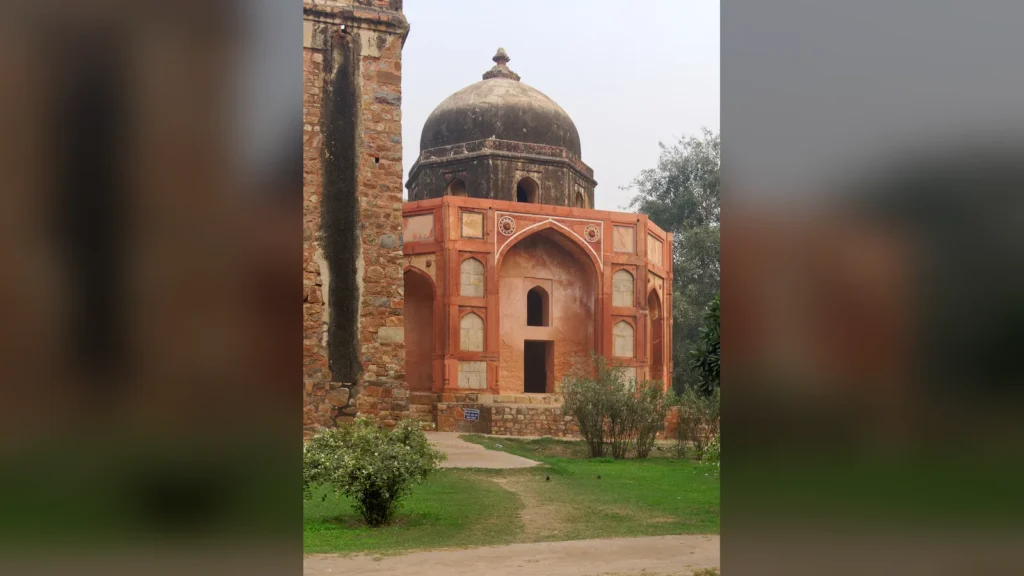
NEW DELHI — The Archaeological Survey of India (ASI) said on 27 September 2026 that it will upgrade visitor facilities at Humayun’s Tomb, the 16th‑century Mughal mausoleum that forms part of a UNESCO World Heritage ensemble. The move follows a recent collapse incident near the monument that prompted the agency to reaffirm the tomb’s structural integrity while promising better amenities for the estimated 1.2 million annual visitors.
Background and recent safety concerns
Humayun’s Tomb, built between 1565 and 1572, is widely regarded as a prototype for later Mughal architecture, including the Taj Mahal. The site, managed by the ASI, attracts domestic and foreign tourists, school groups and heritage‑walk participants. On 22 September 2026, a temporary scaffolding structure adjacent to the south‑west gate collapsed, injuring three workers and prompting a brief closure of the surrounding precinct.
In a statement released to the press, the ASI confirmed that the monument itself suffered no damage and described its condition as “perfect.” The agency attributed the incident to a contractor‑related lapse and said a safety audit had been completed. The audit recommended immediate improvements to visitor flow, restroom capacity and on‑site information delivery to reduce crowding and prevent similar accidents.
Planned upgrades
The ASI’s upgrade plan, reported by AD HOC NEWS on 27 September, includes the installation of a modern ticketing counter equipped with electronic queuing, the construction of two additional restroom blocks for men and women, and the deployment of a digital information kiosk that will provide multilingual audio‑visual guides. The agency also intends to refurbish the existing visitor‑center roof, improve lighting along the main approach and lay new tactile pathways for visually impaired guests.
Project funding is earmarked from the central Ministry of Culture’s heritage‑preservation budget for fiscal year 2026‑27. While the exact allocation has not been disclosed, the ASI indicated that the upgrades will be completed in phases, with the first phase – ticketing and restroom facilities – slated for completion by March 2027.
Official rationale
According to the ASI, the enhancements aim to address three core objectives: (1) streamline entry procedures to reduce bottlenecks during peak visitation periods, (2) raise sanitation standards in line with national public‑health guidelines, and (3) provide accurate historical context through digital media, thereby enriching the educational experience. The agency also noted that the upgrades will comply with the Accessibility Guidelines for Heritage Sites issued by the Ministry of Social Justice and Empowerment.
In an internal briefing, senior ASI officials emphasized that the upgrades are part of a broader “Visitor Experience Initiative” launched in 2025, which targets 12 major monuments across the country. Humayun’s Tomb was selected for early implementation because of its high footfall and the recent safety incident.
Stakeholder response
Local heritage groups welcomed the announcement, stating that improved facilities would encourage responsible tourism and reduce pressure on the monument’s fragile surrounding structures. The Delhi Tourism Department, which coordinates visitor services for the capital’s historic sites, said it would work closely with the ASI to align signage, guide‑training and emergency‑response protocols.
Tour operators expressed optimism that the new ticketing system will allow for advance bookings, thereby minimizing on‑site queues. However, they also urged the ASI to ensure that any construction activity does not interfere with the monument’s visual integrity or the surrounding garden’s historic layout.
Looking ahead
The ASI plans to monitor the impact of the upgrades through visitor‑satisfaction surveys and periodic safety audits. Results will be published in the agency’s annual report, due in December 2027. If the pilot proves successful, the model could be replicated at other UNESCO‑listed sites such as Qutub Minar and the Red Fort.