BRUSSELS — Israel’s Central Elections Committee on Thursday barred the Arab‑Israeli parties Ra’am and the Joint List from contesting the national election slated for October 2026, citing alleged links to Hamas and incitement under the country’s election law.
Committee decision and legal basis
The committee, chaired by former Supreme Court justice Yitzhak Amit, invoked Section 7(b) of the 1969 Elections Law, which permits disqualification of parties that “support armed struggle against the State of Israel.” The decision, announced in a brief press release, said the two parties failed to demonstrate a clear break from extremist rhetoric and had not removed candidates with documented support for Hamas.
Parties affected
Ra’am, formally the United Arab List, is a right‑wing Arab party that entered Israel’s governing coalition in 2021. The Joint List is an alliance of four Arab parties – Hadash, Balad, Ta’al and Ra’am – that has historically secured up to 15 seats in the Knesset. Both groups have been vocal critics of Israel’s settlement policy and have called for an end to the occupation of the West Bank.
Reactions from the parties
The parties’ leadership described the move as “politically motivated” and a breach of democratic norms. In a joint statement, they said the committee’s action would disenfranchise roughly 1.9 million Arab citizens, who constitute about 21 % of Israel’s electorate.
Government and security officials
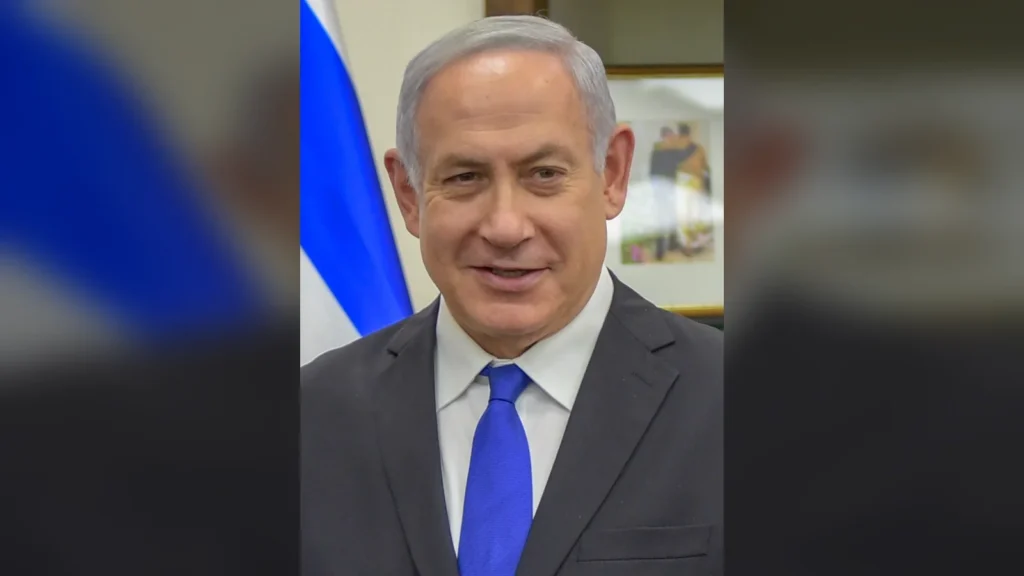
Prime Minister Benjamin Netanyahu’s office welcomed the decision, stating that “the integrity of Israel’s democratic process cannot be compromised by groups that endorse violence.” The Ministry of Public Security, through spokesperson Yael Golan, added that the disqualification aligns with ongoing security assessments following the October 2023 Hamas attack.
International response
The United States Department of State issued a brief comment noting that “Israel has the sovereign right to enforce its election laws,” while urging “all parties to respect democratic principles.” The European Union’s delegation in Jerusalem expressed “concern about the impact on minority representation” and called for “transparent legal proceedings.” No formal protest was lodged by the United Nations.
Legal avenues
Ra’am and the Joint List announced plans to appeal the decision before Israel’s Supreme Court within the statutory 30‑day window. Legal analysts note that past rulings have sometimes reinstated parties after they removed extremist candidates, but the current case is complicated by the heightened security environment.
Political implications
The exclusion of Arab parties could reshape coalition dynamics. With the Likud bloc projected to win 30‑35 seats, the absence of the Joint List’s potential 10‑12 seats may force Netanyahu to seek new partners among right‑wing and religious parties. Analysts caution that the move may also intensify Arab‑Israeli grievances and affect voter turnout in Arab‑majority municipalities.
Background on election law
Israel’s election law, amended in 2014, grants the Central Elections Committee authority to bar parties that “incite racism, support armed struggle, or deny Israel’s existence as a Jewish state.” The committee’s decisions are subject to Supreme Court review, but its rulings have historically been upheld in cases involving far‑right parties.
Historical context
Arab parties have participated in every Knesset election since 1949, though they have never formed a government. Their representation peaked in 2022 with 13 seats. The current disqualification marks the first time that both a major Arab party and its broader alliance have been barred from a national election.
Primary Sources & Official Records
- Israel bans Arab parties from election: Who they are, why it matters
- Israel bans Arab parties from election: Who they are, why it matters – Yahoo
- Israel’s election committee disqualifies Arab parties but not far-right Jewish ones – Jewi
- Central Elections Committee bars Arab Ra’am, Joint List parties from running in October el