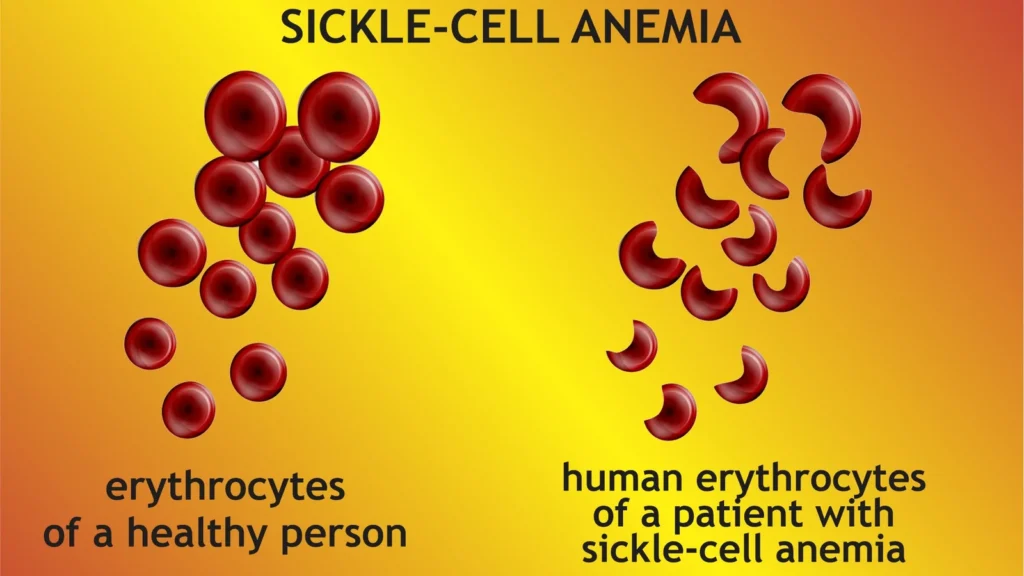
BHUBANESWAR — Medical experts and public health officials in Odisha have called for a shift in pre-marital assessment practices, urging couples to prioritize sickle cell disease (SCD) status matching over traditional horoscope compatibility. The recommendation aims to reduce the incidence of severe genetic disorders among children born to parents who are both carriers of the sickle cell trait.
Genetic Risk and Public Health Imperative
Sickle cell disease is a hereditary blood disorder caused by a mutation in the hemoglobin gene. Individuals who inherit one normal gene and one mutated gene are carriers, often referred to as having the sickle cell trait. While carriers typically do not exhibit severe symptoms, the condition becomes clinically significant when two carriers have a child. In such cases, there is a 25 percent probability that the child will inherit two mutated genes, resulting in sickle cell disease.
Experts in Odisha note that the state has a notable prevalence of the sickle cell trait, particularly in certain tribal and rural populations. The lack of widespread awareness regarding the genetic implications of the trait has led to cases where couples, unaware of their carrier status, have children with severe SCD. The disease causes chronic pain, organ damage, and life-threatening complications, placing a significant burden on families and the healthcare system.
Advocacy for Pre-Marital Screening
Health specialists argue that simple, non-invasive blood tests can identify carrier status before marriage. By integrating sickle cell screening into pre-marital health check-ups, couples can make informed reproductive decisions. This approach aligns with global best practices in genetic counseling and preventive healthcare.
The call for screening is not intended to stigmatize individuals with the trait but to empower couples with knowledge. Medical professionals emphasize that the trait is not a disability and does not affect an individual’s quality of life. However, the potential for transmitting the disease to offspring necessitates proactive measures. Experts suggest that genetic counseling should accompany screening results to help couples understand their risks and explore options, including family planning and, in some cases, preimplantation genetic testing.
Challenges in Implementation
Despite the medical consensus, implementing widespread pre-marital screening in Odisha faces several challenges. Cultural and social norms often prioritize astrological compatibility over medical considerations. Additionally, there is a lack of infrastructure for genetic testing in rural areas, where the prevalence of the trait may be higher. Public health authorities are working to address these gaps by training healthcare workers, raising community awareness, and subsidizing testing costs for eligible populations.
Government health departments in Odisha have begun pilot programs to integrate sickle cell screening into existing pre-marital health initiatives. These programs aim to normalize genetic testing as a standard component of pre-marital care. Officials state that the goal is to reduce the incidence of SCD and improve the overall health outcomes of children in the state.
Global Context and Local Relevance
The advocacy for sickle cell screening in Odisha mirrors similar efforts in other regions with high SCD prevalence, such as parts of Africa and the Middle East. In these regions, national policies have mandated or strongly encouraged pre-marital genetic testing, leading to measurable reductions in SCD cases. Odisha’s approach is tailored to its local context, focusing on community engagement and accessible healthcare delivery.
Medical experts stress that the shift from horoscope matching to genetic screening represents a modernization of pre-marital practices. They argue that while cultural traditions are important, they should not compromise public health. By prioritizing genetic compatibility, couples can protect their future children from a debilitating disease.
Future Directions
As awareness grows, there is potential for broader adoption of sickle cell screening across India. Other states with similar genetic profiles may follow Odisha’s lead, implementing their own screening programs. Collaboration between healthcare providers, government agencies, and community leaders will be essential to ensure the success of these initiatives.
The push for sickle cell screening in Odisha underscores the importance of evidence-based public health policies. By addressing the root causes of genetic diseases, the state aims to improve the health and well-being of its population. Experts remain optimistic that increased awareness and accessible testing will lead to a significant reduction in sickle cell disease cases in the coming years.