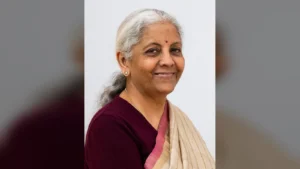
NEW DELHI — The Central Board of Secondary Education (CBSE) has appointed Mandeep K. Bhandari, a senior officer of the Indian Administrative Service (IAS), as its new chairperson. The appointment marks a significant leadership transition for the board, which oversees secondary education and conducts high-stakes examinations for millions of students across India.
Leadership Transition
The decision to appoint Bhandari was announced by the board, signaling a shift in administrative leadership at the apex of India’s secondary education regulatory framework. As chairperson, Bhandari will be responsible for guiding the board’s strategic direction, policy implementation, and operational oversight. The role carries substantial weight, given the CBSE’s mandate to set academic standards, conduct the Class 10 and Class 12 board examinations, and manage the curriculum for affiliated schools nationwide.
Bhandari’s appointment follows the standard procedure for filling senior positions within central government educational bodies. The selection process typically involves a review of candidates’ administrative experience, policy acumen, and track record in public service. While specific details of the selection committee’s deliberations were not disclosed in the initial announcements, the appointment aligns with the government’s broader objective of strengthening institutional governance in the education sector.
Profile of the New Chairperson
Mandeep K. Bhandari is a seasoned IAS officer with extensive experience in public administration. Officers of this rank are often appointed to head statutory bodies and regulatory agencies due to their expertise in policy formulation, resource management, and stakeholder coordination. Bhandari’s background in the IAS provides a foundation for navigating the complex administrative challenges faced by the CBSE, including curriculum updates, examination security, and digital transformation initiatives.
The CBSE has been undergoing several structural and technological reforms in recent years. These include the digitization of examination processes, the introduction of new assessment frameworks, and efforts to reduce the academic burden on students. The new chairperson will be tasked with overseeing these ongoing initiatives and ensuring their effective implementation across the board’s vast network of affiliated schools.
Institutional Context
The Central Board of Secondary Education is one of the largest examination boards in the world, with millions of students appearing for its annual examinations. The board’s decisions have a direct impact on the academic trajectories of students and the operational policies of thousands of schools. Leadership changes at the CBSE are therefore closely monitored by educators, parents, and policymakers, as they can influence the direction of national education policy.
The appointment of an IAS officer to the chairperson’s position is consistent with past practices, where senior bureaucrats have been entrusted with leading key educational institutions. This approach aims to bring administrative rigor and policy consistency to the board’s operations. Bhandari’s tenure will likely focus on maintaining the integrity of the examination process, enhancing the quality of education, and fostering collaboration between the board, schools, and other educational stakeholders.
Implications for Stakeholders
For schools affiliated with the CBSE, the new leadership may bring changes in administrative protocols, communication channels, and policy directives. Educators and school administrators will need to stay informed about any updates or guidelines issued by the board under Bhandari’s stewardship. The board’s website and official communications will serve as the primary sources for such information.
Parents and students, who are directly affected by the board’s examination policies and academic standards, will also be watching for any announcements regarding curriculum changes, examination schedules, or assessment methods. The CBSE has historically maintained a degree of stability in its examination patterns, but periodic revisions are made to align with evolving educational goals and global best practices.
Future Outlook
As Bhandari assumes the role of chairperson, the CBSE is expected to continue its focus on modernizing its operations and enhancing the quality of education. The board’s mandate includes not only conducting examinations but also promoting holistic development, critical thinking, and innovation among students. The new chairperson’s approach to these objectives will shape the board’s future initiatives and its relationship with the broader education ecosystem in India.
The appointment underscores the government’s commitment to strengthening institutional leadership in the education sector. By placing a senior IAS officer at the helm of the CBSE, the administration aims to ensure that the board’s operations are conducted with transparency, efficiency, and accountability. The coming months will provide early indications of Bhandari’s priorities and the direction in which the CBSE is headed under new leadership.
Primary Sources & Official Records
- CBSE Appoints Mandeep K. Bhandari as New Chairperson to Lead the Central Board of Secondar
- IAS officer Mandeep Bhandari appointed chairperson of CBSE – The Hindu
- IAS Officer Mandeep K. Bhandari Appointed CBSE Chairperson – TheWire.in
- IAS Mandeep Bhandari appointed Chairperson CBSE – whispersinthecorridors.net