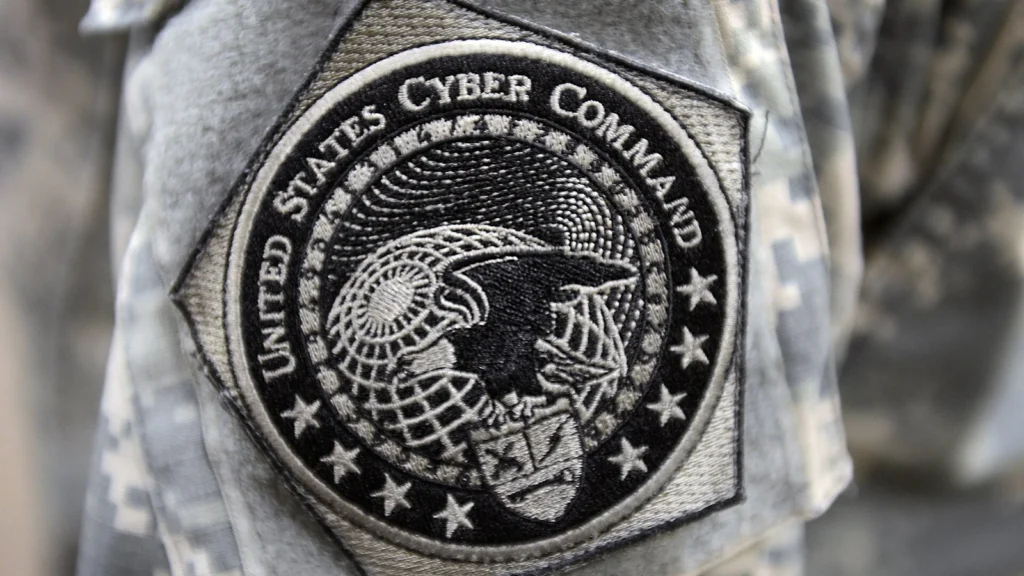
BENGALURU — The Karnataka Cyber Crime Investigation Cell, known as Cyber Command, announced on Thursday, Oct. 8, that four individuals were arrested in connection with a ₹1.40 crore fraud at a Bengaluru university. The arrests were made following a coordinated operation that began after the university reported irregularities in its fee‑collection system.
The police statement released on Oct. 8 said the suspects were apprehended at separate locations in the city after forensic analysis of digital records revealed a network of fake admission entries and unauthorized fund transfers. The investigation, which started in early September, traced the flow of money through multiple bank accounts before converging on the four accused.
Scope of the fraud
According to the police, the scheme siphoned ₹1.40 crore by creating fictitious student profiles and processing fee payments that never reached the university’s accounts. The Cyber Command team used malware detection tools and blockchain‑based transaction tracing to map the illicit flow of funds.
Urban Acres, an independent investigative outlet, reported that the Bengaluru case appears linked to a broader ₹17 crore fraud uncovered across six Indian regions. The larger investigation, launched in July 2026, identified similar patterns of forged documentation and digital money‑laundering techniques. While the Bengaluru arrests are the first high‑profile detentions in the series, authorities have not confirmed whether the other regions’ suspects will be apprehended in the same operation.
Legal proceedings
The four arrested individuals have been charged under the Information Technology Act, 2000, and sections of the Indian Penal Code dealing with cheating, criminal breach of trust and forgery. The police filed a First Information Report (FIR) at the Cyber Crime Police Station in Bengaluru, citing sections 420, 467 and 468 of the IPC and section 66C of the IT Act.
All four suspects are being held in judicial custody pending a court hearing scheduled for Oct. 15. The university’s administration has filed a civil suit to recover the misappropriated funds and to seek damages for reputational loss.
Response from authorities
Karnataka Home Minister K. Shivaraj Kumar said the arrests demonstrate the state’s “zero‑tolerance” stance on cyber‑enabled financial crimes. He added that the Cyber Command will continue to collaborate with other state and central agencies to dismantle similar networks.
The Ministry of Home Affairs, which oversees the national cyber‑crime framework, issued a statement on Oct. 8 urging educational institutions to strengthen digital safeguards and to report any anomalies promptly.
Impact on the education sector
The incident has prompted several private and public universities in Karnataka to review their admission and fee‑collection processes. The University Grants Commission (UGC) issued an advisory on Oct. 7 recommending the adoption of two‑factor authentication for online payments and the periodic audit of digital admission records.
Student bodies have called for greater transparency, urging universities to publish detailed financial statements and to implement independent oversight mechanisms.