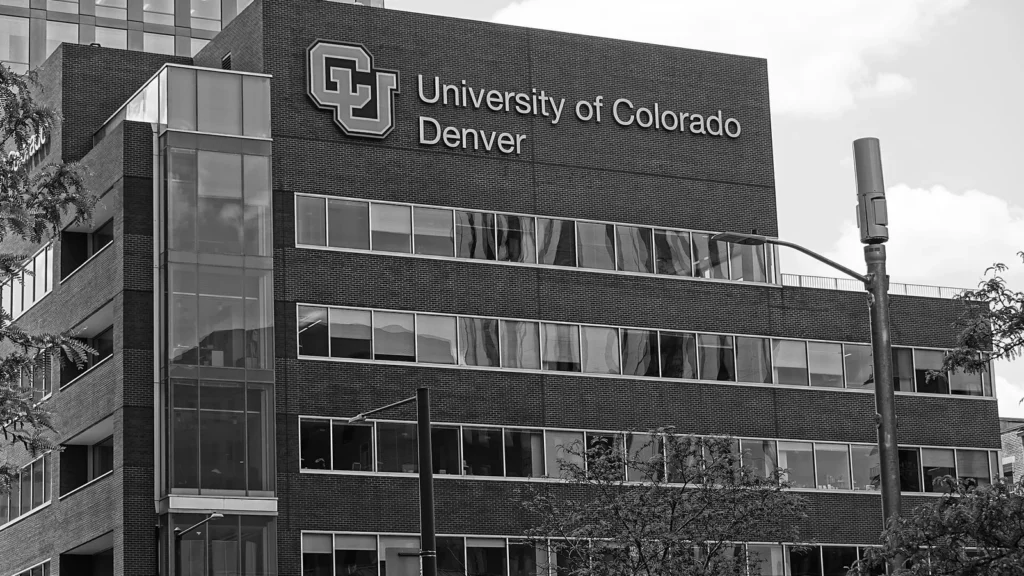
NEW DELHI — The University of Colorado Denver (CU Denver) obtained formal approval from India’s University Grants Commission (UGC) to establish a campus in Hyderabad, becoming the first U.S. public university authorized to confer Indian degrees.
The UGC letter, issued on 5 October 2026, authorises CU Denver to offer undergraduate and postgraduate programmes in engineering, business and computer science under the Indian regulatory framework. The approval follows a joint‑venture proposal with a local partner, Hyderabad-based education group EduBridge, which will provide infrastructure and administrative support.
CU Denver’s Board of Trustees approved the Hyderabad project in June 2026, citing demand for American‑style curricula and the university’s existing online footprint in India. The Hyderabad campus is slated to open for admissions in the 2027‑28 academic year.
Regulatory pathway and compliance
The UGC’s nod follows a detailed assessment that examined CU Denver’s accreditation by the Higher Learning Commission, its financial stability, and the proposed curriculum’s alignment with Indian higher‑education standards. The commission required the university to register its programmes under the UGC’s “Foreign University Collaboration” category, ensuring that degrees awarded in India meet the same criteria as those granted to domestic institutions.
Under the UGC’s guidelines, foreign universities must partner with an Indian entity, maintain a minimum campus area of 5,000 sq m, and allocate at least 30 % of faculty positions to Indian nationals. CU Denver’s agreement with EduBridge satisfies these conditions, with a 60‑40 split in favour of Indian faculty for the inaugural programmes.
Strategic significance
The approval is the first instance of a U.S. public university receiving a Letter of Intent (LoI) from the UGC to operate a full‑time campus in India. Earlier, private U.S. institutions such as Carnegie Mellon University and the University of Pennsylvania have set up satellite centres, but those operate under limited‑duration agreements and do not award Indian degrees.
Education analysts note that the move could broaden access to U.S. public‑university education for Indian students who cannot afford overseas study. Tuition for the Hyderabad campus is projected at ₹4.2 lakh per year for undergraduate courses, roughly 30 % lower than the cost of studying at CU Denver’s main campus in Colorado.
Reactions from stakeholders
India’s Ministry of Education welcomed the development, stating that the partnership aligns with the government’s “Internationalisation of Higher Education” agenda. In a press release, the ministry said the UGC’s assessment confirmed that CU Denver’s programmes meet the quality benchmarks set for foreign collaborations.
CU Denver President Dr Rohit Singh, who heads the university’s International Office, said the Hyderabad campus will “provide Indian students with a pathway to a U.S. public‑university degree while preserving the affordability and relevance of local education.” The statement was released in an official university bulletin on 6 October 2026.
EduBridge CEO Ananya Rao described the venture as “a milestone for Hyderabad’s education ecosystem,” adding that the campus will create 200 faculty and staff positions over the first three years.
Implementation timeline
Construction of the 12‑acre campus in the Gachibowli technology corridor is scheduled to begin in November 2026, with completion targeted for August 2027. The university will initially offer six programmes: B.Tech in Computer Engineering, B.Tech in Electrical Engineering, BBA, MBA, M.Tech in Data Science, and MSc in Applied Economics.
Admissions will be conducted through the Common Admission Test (CUET) for undergraduate seats and the Graduate Aptitude Test in Engineering (GATE) for postgraduate engineering programmes. CU Denver will also accept scores from the Joint Entrance Examination (JEE) Main for engineering entrants.
Potential challenges
Critics caution that foreign‑university collaborations have sometimes faced regulatory delays and cultural integration issues. The UGC has stipulated quarterly compliance reports, and the university must undergo a mid‑term audit in 2028 to retain its licence.
Student groups have called for transparent scholarship criteria, noting that the university plans to allocate 15 % of seats to merit‑based scholarships funded by the U.S. Department of Education’s Global Undergraduate Exchange Program.
Primary Sources & Official Records
- Colorado’s CU Denver gets UGC nod for Hyderabad campus; first US public university to offe
- University of Colorado Denver gets UGC nod to set up Hyderabad campus, first US public uni
- CU Denver takes step towards India campus in Hyderabad – The PIE News
- India to soon get first US public university campus in Hyderabad, receives UGC nod – India