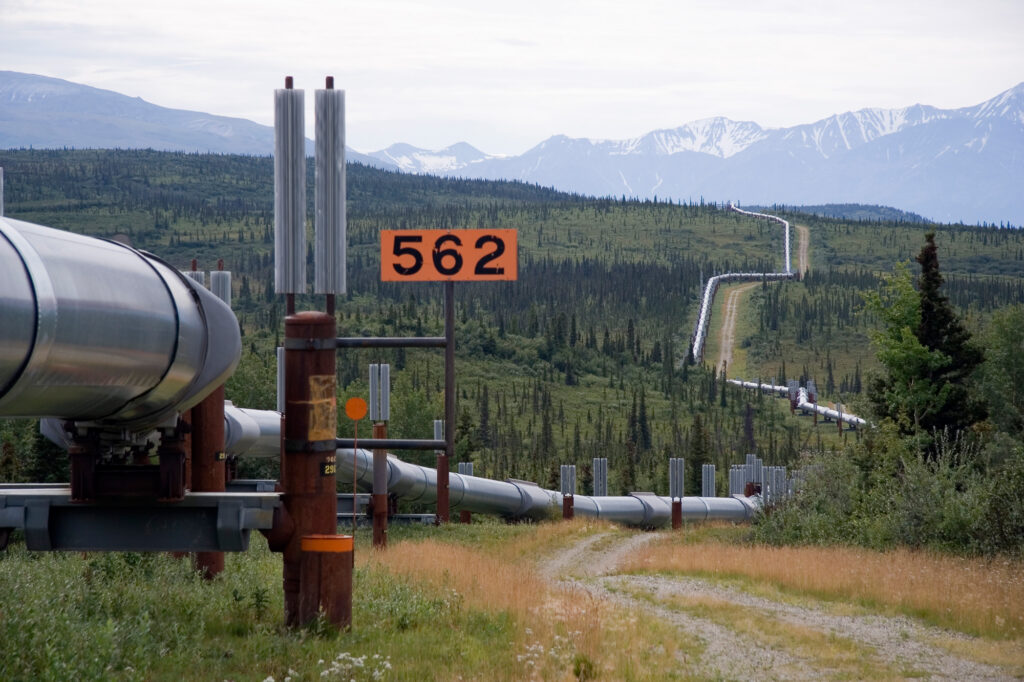
RIYADH — Saudi Arabia has restarted operations along its critical East-West Pipeline, paving the way to resume crude oil exports from the Red Sea port of Yanbu as early as Tuesday, according to three sources familiar with the matter. The move marks a rapid restoration of the kingdom’s primary export corridor following a temporary shutdown triggered by drone attacks on the pipeline infrastructure earlier this week.
The restart of the pipeline, which transports crude from the Eastern Province to the Red Sea coast, is a significant logistical development for global energy markets. For several days, the disruption forced Saudi Aramco, the state-owned oil giant, to halt shipments from the Yanbu South terminal, a key hub for exports destined for Asia and Europe. Satellite imagery dated September 21, cited by Bloomberg columnist and other market analysts, indicated that crude oil loadings at the terminal had begun to restart, confirming the physical resumption of flow through the system.
Logistical Recovery and Market Impact
The East-West Pipeline is a vital artery for Saudi Arabia’s energy exports, capable of moving approximately 5 million barrels per day. Its shutdown created an immediate bottleneck, as the kingdom had to rely on alternative routes, primarily the Gulf of Oman and the Persian Gulf, to maintain export volumes. However, these alternative routes are often more congested and subject to different freight rates and geopolitical risks, particularly given the ongoing tensions in the region.
Market participants reacted swiftly to the news of the restart. Brent crude futures, which had spiked in the days following the initial attack, slipped below the $98 per barrel mark on Tuesday. The price correction reflects a reduction in the risk premium that traders had added to account for potential supply disruptions. Analysts noted that while the pipeline’s restart alleviates immediate fears of a prolonged supply shock, the underlying geopolitical risks remain elevated.
Operational Details and Security Concerns
According to sources, the pipeline was restarted at a low rate initially to ensure the integrity of the infrastructure and to allow for a controlled ramp-up of flow. Saudi Aramco has not issued a detailed public statement on the specific technical repairs or the exact timeline for full capacity restoration, but industry officials indicated that normal operations are expected to be fully restored within days.
The drone attacks that forced the shutdown have raised questions about the security of Saudi Arabia’s energy infrastructure. The kingdom has long been a target for non-state actors seeking to disrupt its oil exports. The rapid restart suggests that the damage was limited and that security protocols were quickly reinforced to prevent further incidents. However, the incident underscores the vulnerability of critical energy infrastructure to asymmetric threats.
Implications for Asian Refiners
The disruption and subsequent restart have significant implications for Asian refiners, who are major buyers of Saudi crude. During the shutdown, refiners in India, China, and Japan had to scramble for alternative supply, leading to a spike in spot prices and freight costs. The resumption of Yanbu exports is expected to ease this pressure, allowing refiners to return to their preferred sourcing patterns.
LiveMint reported that the Saudi oil shock could hit Asian refiners through prices and freight before crude runs out, highlighting the financial impact of the disruption. The restart of the pipeline is therefore seen as a positive development for Asian energy security, reducing the need for costly emergency procurement from other suppliers.
Geopolitical Context
The drone attacks on the East-West Pipeline occur against a backdrop of heightened tensions in the Middle East. The region has seen increased military activity and diplomatic friction, with various actors seeking to influence the outcome of ongoing conflicts. Saudi Arabia, while maintaining a policy of neutrality in some regional disputes, has faced direct threats to its economic lifeline.
The rapid response to the pipeline attack demonstrates the kingdom’s commitment to protecting its energy exports and maintaining global supply stability. However, the incident also serves as a reminder of the fragility of the global energy system in the face of geopolitical instability. Market participants will continue to monitor the situation closely, with any further disruptions to Saudi exports likely to have a significant impact on global oil prices.
Future Outlook
As the pipeline returns to full capacity, attention will shift to the broader geopolitical landscape. The United Nations has opened talks aimed at de-escalating tensions in the region, and the outcome of these discussions will be closely watched by energy markets. A successful de-escalation could lead to a further reduction in the risk premium on oil, while any setbacks could reignite concerns about supply security.
For now, the restart of the East-West Pipeline provides a degree of relief to global energy markets. Saudi Arabia’s ability to quickly restore its export capabilities underscores its role as a key stabilizer in the global oil market. However, the underlying risks remain, and the kingdom will need to maintain a high level of vigilance to protect its critical infrastructure from future threats.
Primary Sources & Official Records
- Pipeline Technology Journal: Saudi Arabia Restarts East-West Pipeline to Resume Exports Days After Drone Attack
- Reuters via MSN: Saudi Arabia restarts East-West oil pipeline, sources say
- Firstpost: Saudi Arabia restarts East-West oil pipeline, Yanbu exports may resume
- LiveMint: Saudi oil shock could hit Asian refiners through prices and freight before crude runs out