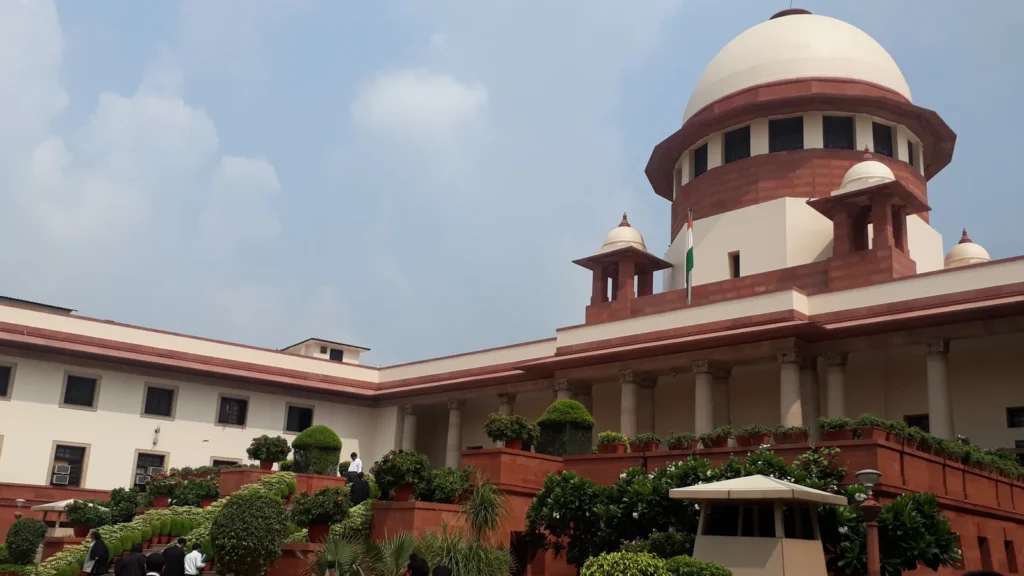
NEW DELHI — The Supreme Court on Tuesday declined to impose a central law on school ragging and bullying, leaving the existing framework of state legislation and guidelines in place. The decision came after a petition filed by a coalition of parents and student groups sought a nationwide mandate to curb the problem, which has long plagued Indian schools.
Background of the Issue
Ragging, a form of bullying that often involves physical or psychological abuse of new students, has been a persistent concern in Indian educational institutions. In 2015, the court had earlier ruled that schools must adopt anti‑ragging measures under the Prevention of Child Sexual Offences Act and the National Policy on Safe Schools. The current petition argued that a uniform central law would standardise enforcement and provide clearer penalties.
Supreme Court’s Decision
In its ruling, the court noted that several states already have laws criminalising ragging, and that the National Policy on Safe Schools, issued in 2018, provides a comprehensive framework for prevention and punishment. The bench held that a central statute was not necessary at this juncture and that the existing provisions were adequate to address the issue. The court also emphasised that the matter should be left to the states, which can tailor measures to local contexts.
Implications for Schools and Parents
With the court’s refusal to intervene, schools will continue to rely on state laws and the National Policy for anti‑ragging protocols. Parents and student bodies are expected to work with local authorities to enforce these measures. The decision is unlikely to affect the ongoing investigations into recent incidents of bullying that have attracted media attention.
Reactions from Stakeholders
While the court’s ruling was welcomed by some education officials who argued that a central law could create bureaucratic delays, others expressed disappointment. A representative of a student rights organisation said that a national law would bring uniformity and stronger deterrence. The court’s decision does not preclude future legislative attempts, and several lawmakers have indicated that they will continue to push for tighter regulations.
Legal Context and Future Prospects
The Supreme Court’s refusal to pass a central law does not negate the possibility of future legislation. The government has already announced a draft bill on school safety, which is expected to be tabled in Parliament later this year. Until such a bill is enacted, the existing legal framework will remain the primary tool for addressing ragging and bullying in schools.
Primary Sources & Official Records
- Supreme Court Declines Plea for Central Law on School Ragging and Bullying
- Supreme Court Refuses To Interfere With Ex-CM Bhupesh Baghel Plea For Now, Leaves Limitati
- Supreme Court Refuses Stay On UPI Charges Above Rs 2,000. What It Means For You – NDTV
- Bombay High Court Refuses Urgent Hearing Of Plea Challenging 14 Orders By CEC Gyanesh Kuma