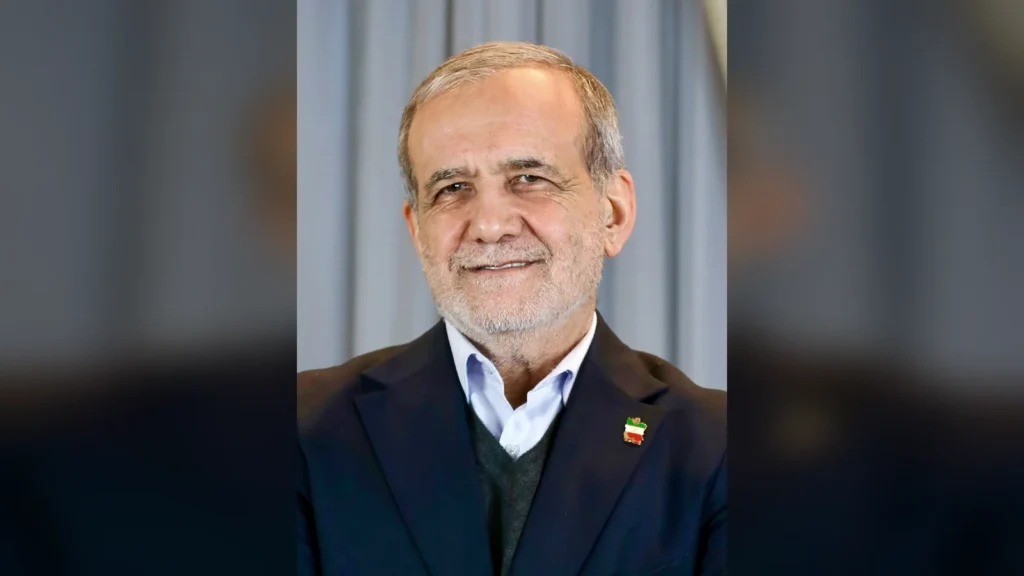
TEHRAN — A Tehran court on Monday upheld a 74‑lash sentence against singer Parastoo Ahmadi for performing a concert without a hijab, a decision that has drawn international attention to Iran’s enforcement of its compulsory dress code for women.
Ahmadi, a 32‑year‑old vocalist known for her pop‑fusion style, was arrested in June 2025 after a live performance in Tehran in which she removed her headscarf. The case was brought before the Islamic Revolutionary Court, which found her guilty of “publicly displaying a woman’s body without a veil” under Article 638 of the Iranian Penal Code, a charge that carries a maximum of 120 lashes.
Legal Context
Article 638, part of Iran’s morality laws, criminalises the removal of a hijab in public. The law has been applied to a range of cases, from fashion designers to social media influencers. In 2024, the Supreme Court upheld a 60‑lash sentence for a television presenter who appeared without a veil, setting a precedent for the current case.
The court’s ruling, issued on 27 September 2026, reaffirmed the 74‑lash penalty originally imposed in July 2025. The judge cited the singer’s public influence and the “potential to spread disobedience” as factors in the severity of the sentence. The decision was announced in a brief statement by the court’s spokesperson, who said the verdict was “in accordance with the law and the court’s previous judgments.”
Appeal and International Reactions
Ahmadi’s legal team filed an appeal to the Court of Appeals in Tehran, arguing that the punishment was disproportionate and that the singer had not intended to defy the law. The appeal was dismissed on 20 September 2026, with the appellate court citing the original verdict as “consistent with the statutory provisions.”
Human rights organisations, including Amnesty International and Human Rights Watch, have criticised the lashes as a form of cruel, inhuman or degrading punishment. The organisations released statements condemning the court’s decision and calling for the removal of corporal punishment from Iran’s penal code.
Impact on the Music Community
Within Iran’s music scene, the case has sparked debate over artistic freedom and the enforcement of moral codes. Several artists have issued statements expressing concern that the ruling could stifle creative expression. A group of musicians, led by the Tehran-based band “Saffron Beats,” organised a silent protest outside the Ministry of Culture on 24 September, demanding a review of the law’s application to performers.
Internationally, the case has drawn attention from Western media. The BBC reported on the court’s decision, noting that the 74 lashes were “the most severe penalty imposed for a non‑violent offence in recent years.” The Jerusalem Post highlighted the case as part of a broader pattern of “strict enforcement of dress codes” in Iran. EarlyGame, a niche entertainment outlet, focused on the implications for the global music market, warning that the ruling could deter foreign artists from touring in Iran.
Government Response
The Iranian Ministry of Culture and Islamic Guidance issued a statement on 28 September, reaffirming the country’s commitment to upholding the hijab law. The statement said the ministry would “continue to protect the moral values of the nation” and that it would “monitor the enforcement of the law to ensure consistency across all regions.”
In a separate briefing, the Ministry of Justice reiterated that the penal code’s provisions remain unchanged, and that the court’s decision was “in line with the judiciary’s mandate to enforce the law.”
Broader Legal Landscape
Iran’s criminal code allows for up to 120 lashes for violations of the hijab law, but the actual number imposed varies based on the perceived severity and the offender’s public profile. The 74‑lash sentence for Ahmadi is among the highest recorded for a non‑violent offence in the past decade. The case follows a 2023 ruling that imposed 60 lashes on a female dancer who performed in a public venue without a veil, indicating a trend of increasingly stringent penalties for high‑profile individuals.
Legal scholars note that the judiciary’s decisions reflect a broader strategy to deter public defiance of dress codes. They point to the 2019 amendment to Article 638, which increased the maximum penalty from 60 to 120 lashes, as a key factor in the harsher sentences seen in recent years.
As of 28 September 2026, the case remains a focal point for discussions on human rights and artistic freedom in Iran. The singer’s family has not yet announced a public statement, and the case is still pending further appeals in the Iranian judicial system.