WASHINGTON — Iranian Foreign Minister Abbas Araghchi stated on Sunday that a negotiated solution is the only viable path to ending the ongoing conflict with the United States, following President Donald Trump’s public rejection of a proposed deal regarding the Strait of Hormuz. The diplomatic exchange, which unfolded over the past 48 hours, marks a sharp escalation in rhetoric between the two capitals as the standoff over maritime security and nuclear compliance enters a critical phase.
Rejection of the Hormuz Framework
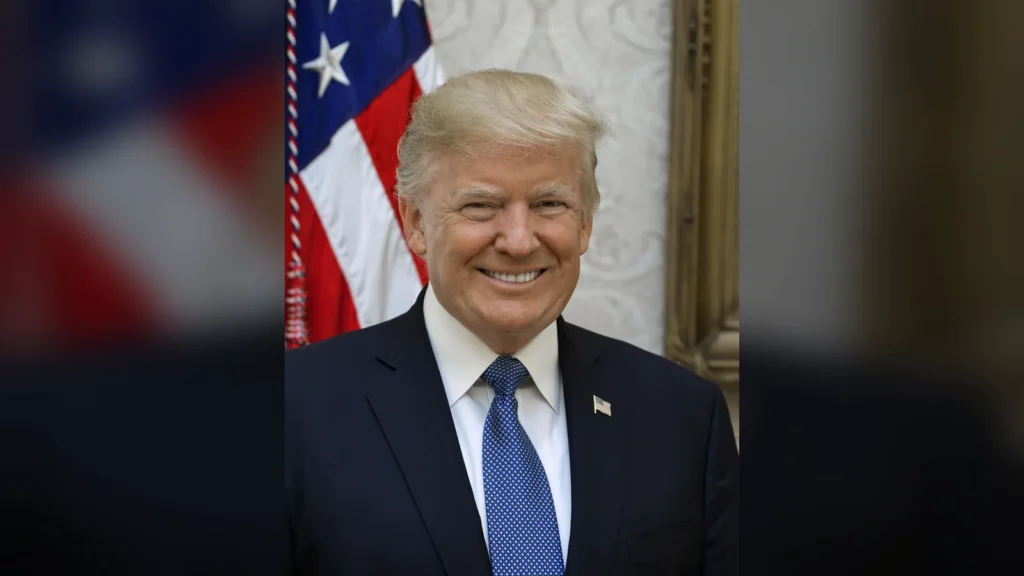
The dispute centers on a framework proposed by Tehran that sought to link the resumption of full diplomatic engagement with specific guarantees regarding the free flow of commercial shipping through the Strait of Hormuz. Trump, speaking to reporters at the White House, dismissed the proposal as insufficient, asserting that the United States would not accept terms that did not fully address Iran’s nuclear ambitions and regional proxy activities. The President characterized the Iranian offer as a tactic to delay enforcement of existing sanctions and to maintain leverage over global energy markets.
In response, Araghchi issued a statement through the Iranian Foreign Ministry, emphasizing that the United States had moved away from the negotiating table by rejecting the core elements of the agreement. The minister argued that the current impasse was a result of Washington’s refusal to engage in good faith, noting that Tehran had consistently maintained that military confrontation was not in the interest of either nation. Araghchi reiterated that Iran remained committed to diplomacy but warned that the rejection of the Hormuz deal would force Tehran to reassess its strategic posture in the region.
UN Ambassador Criticizes Iranian Intent
The diplomatic friction was further compounded by remarks from U.S. Ambassador to the United Nations Michael Waltz, who stated that Iran was not negotiating in good faith to end the war. Waltz, addressing the UN Security Council on Sunday, accused Tehran of using diplomatic channels to buy time for military preparations while simultaneously violating the terms of the Joint Comprehensive Plan of Action (JCPOA). He cited recent intelligence reports indicating increased activity at Iranian nuclear facilities and the deployment of additional missile systems along the border with Israel.
The Guardian reported that Waltz’s comments were a direct rebuttal to Araghchi’s assertion that only a negotiated solution could resolve the deadlock. The U.S. ambassador argued that the United States had been consistent in its demands for verifiable nuclear transparency and that Iran’s refusal to accept intrusive inspections was a clear indication of bad faith. Waltz warned that the international community should not be misled by Tehran’s diplomatic overtures, which he described as a cover for continued proliferation.
Global Energy and Security Implications
The standoff has significant implications for global energy security, as the Strait of Hormuz serves as a critical chokepoint for approximately 20% of the world’s oil supply. Analysts note that any further escalation could lead to a sharp spike in crude oil prices, exacerbating inflationary pressures in major economies including the United States, China, and the European Union. The International Energy Agency has urged both sides to exercise restraint and to prioritize the stability of global energy markets.
Common Dreams reported that the Iranian government has faced increasing domestic pressure to take a harder line against the United States, particularly following the recent U.S. strikes on Iranian nuclear sites. The Iranian parliament has called for the immediate withdrawal of U.S. forces from the region and the lifting of all sanctions, while the Supreme Leader’s office has emphasized the need for national unity in the face of external threats.
Diplomatic Efforts and Future Prospects
Despite the current impasse, several regional mediators, including Oman and Qatar, have expressed willingness to facilitate further talks between Washington and Tehran. These countries have been engaged in back-channel communications with both sides in an effort to prevent a full-scale military conflict. The United Nations Secretary-General has also called for a ceasefire and the resumption of diplomatic dialogue, urging both parties to return to the negotiating table and to seek a comprehensive agreement that addresses the concerns of all stakeholders.
As the situation remains fluid, the international community is closely monitoring developments in the region. The next few days are expected to be critical in determining whether the conflict will escalate further or if a diplomatic breakthrough can be achieved. The rejection of the Hormuz deal has raised questions about the viability of the current diplomatic framework and the willingness of both sides to compromise on key issues.
Primary Sources & Official Records
- Iranian minister says only negotiation can end conflict after Trump rejects Hormuz deal
- Iranian minister says only negotiation can end conflict after Trump rejects Hormuz deal –
- Only ‘Negotiated Solution’ Can Get US Out of ‘Deadlock,’ Iranian Diplomat Says After Trump
- UN ambassador Waltz says Iran was not negotiating ‘in good faith’ to end war – The Guardia