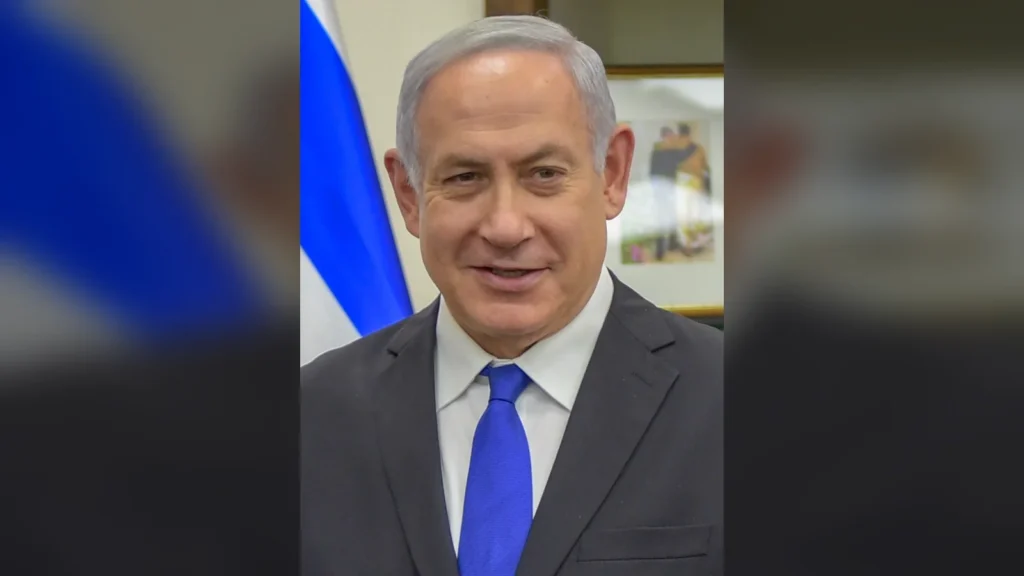
NEW YORK — Israeli Prime Minister Benjamin Netanyahu defended a recent military operation in Gaza on Monday as dozens of United Nations delegates exited the General Assembly hall during his speech, officials said.
UN General Assembly session disrupted
Netanyahu addressed the 78th session of the UN General Assembly, asserting that Israel’s latest strike was a necessary response to rocket fire from Hamas militants. He said the operation targeted militant infrastructure and aimed to protect Israeli civilians.
Within minutes of his remarks, a coordinated walkout began. Delegates from several African, Arab and European nations left the chamber, a move reported by multiple news outlets. The African News Agency noted that representatives from Kenya, Nigeria, South Africa and Ghana were among those who exited, while Georgia Today reported that ambassadors from Georgia and neighboring states also walked out.
The United Nations did not interrupt the speech, but the walkout was recorded in the official meeting minutes. The UN Secretariat listed the departing delegations but did not provide a consolidated count.
International reactions
U.S. officials expressed support for Israel’s right to self‑defence but called for restraint to minimise civilian casualties. A spokesperson for the U.S. State Department said Washington continues to work with Israel on security matters while urging adherence to international humanitarian law.
The European Union’s foreign policy chief reiterated the bloc’s call for a ceasefire and the protection of civilians on both sides of the conflict. In a separate statement, the EU noted that the walkout reflected “deep concern” over the humanitarian impact of the latest Israeli operation.
Several Arab League members condemned the strike as disproportionate. A senior official from the Arab League described the UN walkout as “a symbolic protest against ongoing aggression.”
Humanitarian organisations, including the International Committee of the Red Cross, warned that the latest hostilities could exacerbate the already dire humanitarian situation in Gaza, where UN agencies report that over 1.3 million people lack adequate shelter and food.
Background to the strike
The Israeli Defence Forces launched the operation on Saturday following a series of rocket attacks that hit southern Israeli towns. Israeli officials said the strikes targeted weapons depots, command centres and tunnel networks used by Hamas.
According to Israeli military statements, the operation resulted in the destruction of dozens of militant sites and the elimination of several senior Hamas commanders. The Israeli Ministry of Defence did not release casualty figures for the Gaza side, but local health authorities in Gaza reported at least 150 civilian deaths and hundreds of injuries.
Netanyahu’s defence of the operation came amid growing international scrutiny of Israel’s conduct in the conflict that began in October 2023. The UN Security Council has held multiple emergency meetings on the issue, but no resolution has been adopted due to vetoes by permanent members.
UN procedural context
The General Assembly’s annual debate provides a platform for heads of state and government to outline their foreign‑policy priorities. Netanyahu’s speech was scheduled as part of the “Peace and Security” segment, a slot traditionally reserved for leaders from conflict‑affected regions.
UN Secretary‑General António Guterres, who opened the session, later addressed the assembly, emphasizing the need for “immediate steps to protect civilians” and urging all parties to comply with international law.
Following the walkout, the UN’s Office of the High Commissioner for Human Rights announced that it would monitor the situation in Gaza and report on any alleged violations of human rights law.
Implications for diplomatic engagement
The walkout highlighted deep divisions within the UN over the Gaza conflict. Analysts note that such public protests can affect diplomatic negotiations, especially in multilateral forums where consensus is required for resolutions.
Observers from think tanks in Washington and Brussels warned that the incident could complicate upcoming peace‑building initiatives and may influence the agenda of the next UN Security Council meeting, scheduled for early October.
Netanyahu concluded his address by reaffirming Israel’s commitment to “secure borders” and to “defeat terrorism,” while urging the international community to recognise Israel’s security challenges.
Primary Sources & Official Records
- Netanyahu defends Israeli military action as delegates walk out before UN speech
- Netanyahu defends Israeli military action as delegates walk out before UN speech – BBC
- UN delegates walk out at Netanyahu defends Israeli military action – africanews.com
- At UN, Netanyahu defends Israel as delegates walk out – Georgia Today