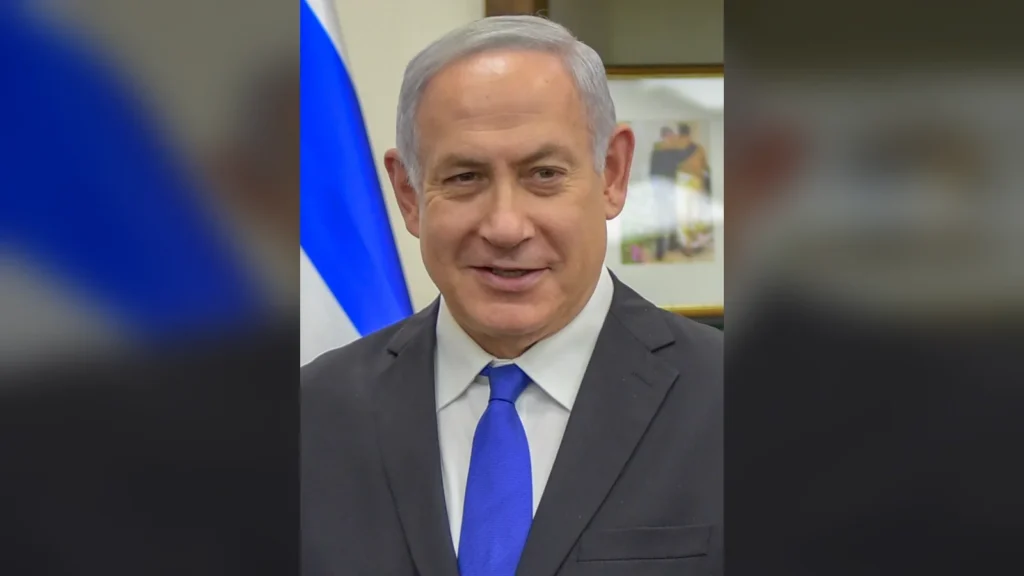
NEW YORK — Israeli Prime Minister Benjamin Netanyahu defended Israel’s military operations in Gaza, Lebanon, and Syria during his address to the United Nations General Assembly on Friday, prompting a coordinated walkout by a significant number of delegates before he concluded his remarks. The disruption underscored the deepening diplomatic isolation facing the Israeli government as it seeks to frame its regional security posture to the international community.
Protest during address
The walkout occurred shortly after Netanyahu began detailing the strategic rationale behind Israel’s expanded military engagements. Delegates from several nations, including members of the Non-Aligned Movement and various European and Latin American states, exited the General Assembly hall in protest. The departure was not a single isolated incident but a synchronized action, signaling a collective rejection of the Prime Minister’s narrative. Security personnel at the venue noted the orderly but firm exit of the delegations, which left a visible gap in the seating arrangement during the latter half of the speech.
Netanyahu proceeded with his address, stating that Israel’s actions were necessary to dismantle terrorist infrastructure and ensure the safety of its citizens. He argued that the international community must recognize the existential threats posed by non-state actors operating from neighboring territories. The Prime Minister emphasized that diplomatic solutions had been exhausted, leaving military force as the only viable option to restore stability to the region. He rejected accusations of disproportionate force, asserting that every operation was calibrated to minimize civilian casualties while achieving decisive military objectives.
Diplomatic context
The incident marks a significant escalation in diplomatic tensions at the United Nations. Previous sessions had seen vocal objections and procedural challenges, but a mass walkout during a head-of-state address is a rare and potent form of diplomatic protest. The move reflects the growing consensus among many UN member states that Israel’s military campaigns have exceeded the bounds of self-defense under international law. Several foreign ministers had issued statements prior to the session, calling for an immediate ceasefire and the release of hostages, positions that Netanyahu explicitly dismissed during his speech.
Analysts note that the walkout aligns with a broader trend of diplomatic pressure on Israel. In recent months, several nations have recalled ambassadors or downgraded diplomatic ties, citing violations of international humanitarian law. The United Nations General Assembly has also seen a surge in resolutions calling for accountability and investigations into alleged war crimes, many of which have passed with overwhelming majorities. The current session is expected to see further debate on these issues, with several countries preparing to introduce new resolutions in the coming days.
Israeli response
The Israeli government has consistently maintained that its military actions are lawful and necessary. In a statement released following the address, the Israeli Foreign Ministry described the walkout as a political stunt that ignored the reality on the ground. The ministry reiterated that Israel remains committed to peace but would not compromise its security in the process. It also highlighted the support of key allies, including the United States, which has continued to provide diplomatic and military backing despite the growing international criticism.
The United Nations Secretary-General, who was present during the session, did not comment immediately on the walkout. However, the office has previously called for restraint and adherence to international law in all conflict zones. The General Assembly is expected to continue its deliberations on Middle East affairs in the coming weeks, with further addresses scheduled from regional leaders and international mediators. The incident is likely to dominate the diplomatic agenda, as nations seek to navigate the complex interplay of security, humanitarian concerns, and geopolitical interests in the region.
Primary Sources & Official Records
- Netanyahu defends Israeli military action as delegates walk out before UN speech
- Netanyahu defends Israeli military action as delegates walk out before UN speech – bbc.com
- UN delegates walk out at Netanyahu defends Israeli military action – africanews.com
- Delegates walk out as Netanyahu defends Israel’s regional wars in UN address – Middle East