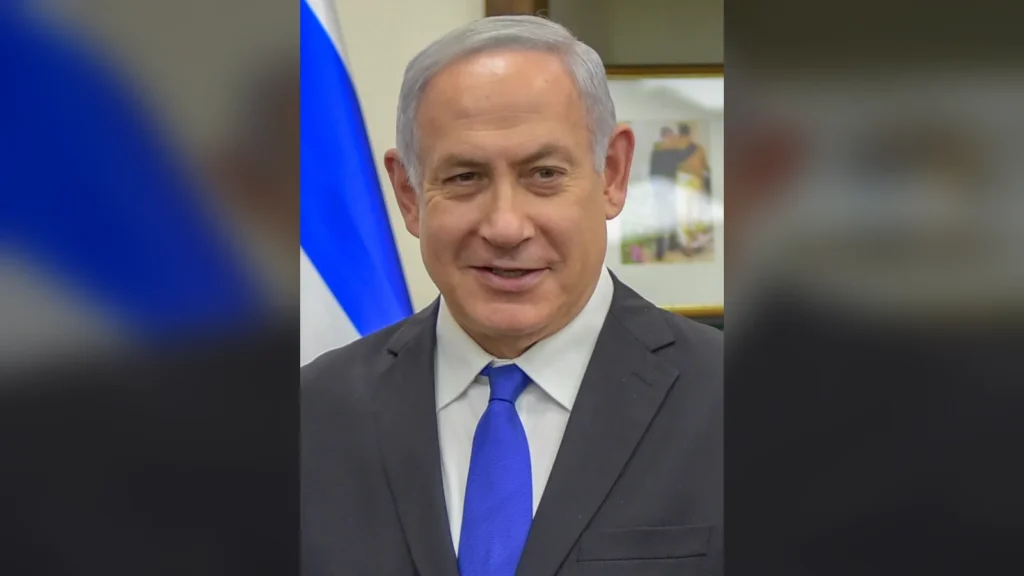
NEW YORK — More than 100 people were arrested on Thursday as thousands of demonstrators gathered outside the United Nations headquarters in New York to protest the visit of Israeli Prime Minister Benjamin Netanyahu, who addressed the General Assembly amid intense security measures and vocal opposition.
The arrests marked one of the largest police actions associated with a head-of-state visit to the United Nations in recent years. New York City Police Department (NYPD) officials confirmed that officers had detained over 100 individuals for violating public assembly restrictions and obstructing traffic near the UN complex on First Avenue. The demonstrations, which began in the early morning hours, involved chants, banners, and attempts to block vehicular access to the UN entrance.
Security perimeter and police response
The NYPD established a massive security perimeter around the UN headquarters, closing several blocks of First Avenue and adjacent streets to pedestrian and vehicular traffic. Police deployed riot gear, water cannons, and tear gas in response to groups of protesters who attempted to breach the cordon. According to police advisories, the arrests were made under various sections of the New York City Administrative Code, including disorderly conduct and obstructing official functions.
Witnesses and independent journalists on the ground reported that the police response was swift and forceful. Several protesters were seen being handcuffed and loaded into vans. Medical aid workers from local emergency response teams provided treatment to individuals who sustained minor injuries from crowd surges and police interventions. The NYPD stated that all arrests were processed at local precincts, with charges to be determined by the Manhattan District Attorney’s office.
Netanyahu’s address and political context
Prime Minister Netanyahu delivered a speech to the UN General Assembly, focusing on Israel’s security operations in Gaza and its regional strategic challenges. His address was met with loud boos and counter-protests from delegates and observers in the assembly hall, as well as the large-scale demonstrations outside. The visit has been a focal point of diplomatic tension, with various world leaders and civil society groups calling for accountability regarding the humanitarian situation in Gaza.
The protests were organized by a coalition of local and international activist groups, including Palestinian advocacy organizations and anti-war coalitions. Organizers stated that the demonstrations were intended to draw global attention to the ongoing conflict and to challenge the legitimacy of Netanyahu’s presence at the UN. Social media platforms were flooded with real-time footage of the arrests and the police response, amplifying the reach of the protests worldwide.
Local political reactions
The incident has sparked debate within New York’s political establishment. Local officials have expressed concern over the scale of the unrest and the strain on city resources. In a related development, Israeli Prime Minister Netanyahu publicly criticized New York City Mayor Zohran Mamdani, alleging that the mayor’s statements about Israel’s actions in Gaza endanger Jewish New Yorkers by spreading misinformation. This exchange highlights the deepening political rift between local New York leadership and the Israeli government over the conduct of the war in Gaza.
Legal experts noted that the scale of the arrests could lead to significant legal challenges, with civil liberties organizations likely to scrutinize the police tactics and the justification for the mass detentions. The NYPD has stated that it will review the incident to ensure compliance with departmental protocols and legal standards.
International implications
The protests and arrests underscore the growing polarization surrounding the Israel-Gaza conflict on the global stage. The UN headquarters, a symbol of international diplomacy, has become a site of intense confrontation, reflecting the broader geopolitical tensions. Diplomatic sources indicated that the incident has drawn attention from foreign embassies and international observers, who are monitoring the situation for potential impacts on diplomatic relations and the UN’s operational environment.
As the day progressed, the security presence around the UN remained heavy, with police continuing to manage the crowd and prevent further breaches of the perimeter. The aftermath of the protests is expected to influence public discourse in the United States and internationally, with ongoing debates about free speech, protest rights, and the conduct of military operations in the Middle East.
Primary Sources & Official Records
- More than 100 arrested as New Yorkers protest Netanyahu’s UN visit
- I was arrested protesting Netanyahu’s New York visit. Here’s why we took a stand | Dariali
- Israeli Prime Minister Netanyahu addresses the United Nations General Assembly amid protes
- Netanyahu says Mamdani endangers Jewish New Yorkers by spreading lies about Israel’s actio