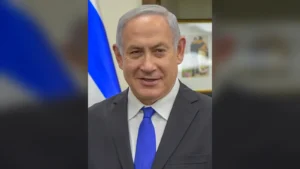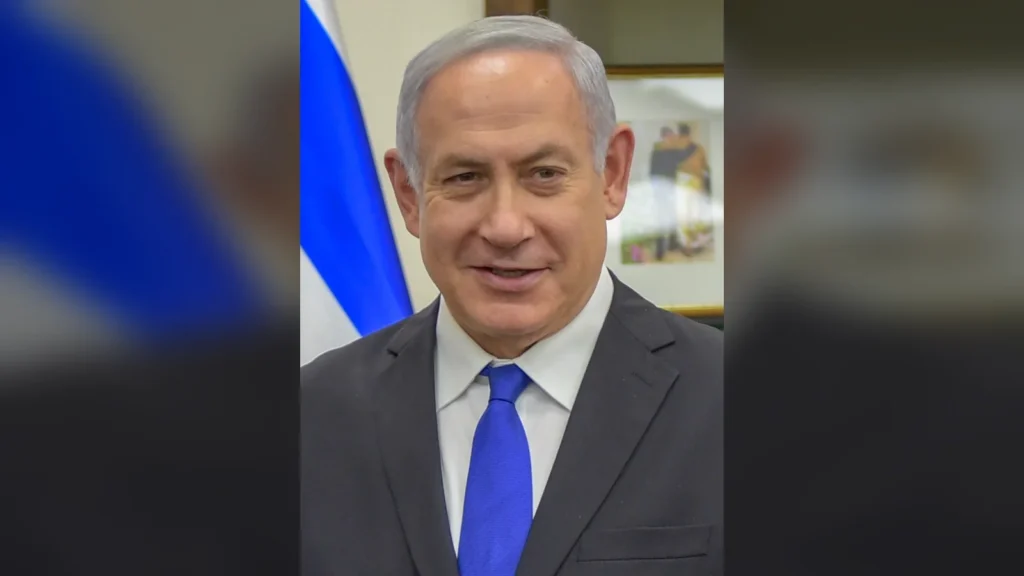
NEW YORK — Israeli Prime Minister Benjamin Netanyahu delivered a contentious address to the United Nations Security Council on Monday, defending his government’s actions in the Gaza Strip. The speech triggered walkouts by several member states, while Israeli officials and supporters praised the prime minister’s stance, Al Jazeera reported.
UN session and walkouts
According to the Al Jazeera analysis, the Security Council convened to discuss the ongoing humanitarian situation in Gaza. Netanyahu’s remarks focused on Israel’s security concerns and rejected calls for a cease‑fire, characterising them as “unrealistic” and “biased”. Delegations from the United Arab Emirates, Qatar and Norway left the chamber before the speech concluded, citing “objection to the language used”. The United States and United Kingdom remained seated but issued statements of “deep concern”.
Domestic reaction in Israel
Al Jazeera noted that Israeli cabinet members applauded the prime minister’s address, describing it as a “defence of national sovereignty”. The Israeli Ministry of Foreign Affairs released a brief stating that Netanyahu’s speech “re‑asserted Israel’s right to self‑defence and highlighted the need for balanced international discourse”. A poll cited in the analysis showed that 68 % of respondents in Israel approved of the prime minister’s handling of the UN debate.
International criticism
The analysis highlighted that the walkouts were the most visible sign of dissent at the meeting. A spokesperson for the European Union said the council “must uphold humanitarian principles and pursue a durable cease‑fire”. The United Nations Secretary‑General’s office issued a separate statement urging “all parties to engage constructively and avoid rhetoric that inflames tensions”.
Context of the Gaza conflict
Al Jazeera placed the UN session within the broader context of the Gaza conflict, which entered its third year in 2026. The report referenced United Nations estimates that more than 1.2 million civilians have been displaced since the latest escalation began in early 2024. It also mentioned that the International Committee of the Red Cross has called for unhindered humanitarian access, a demand that Netanyahu’s government has repeatedly rejected as “security‑driven”.
Political implications
While the analysis refrained from speculation, it observed that the prime minister’s hard‑line rhetoric could influence upcoming Israeli elections slated for early 2027. Opposition leader Yair Lapid is expected to use the UN walkouts as evidence of Israel’s diplomatic isolation, whereas Netanyahu’s allies argue that the domestic approval rating insulates him from external pressure.
Reactions from civil society
Human rights organisations cited in the Al Jazeera piece condemned the speech as “dangerous” and called for an independent investigation into alleged violations of international law. In contrast, several Israeli NGOs praised the prime minister for “articulating Israel’s legitimate security narrative”.
Summary
Netanyahu’s UN address on September 25 sparked a split between international delegations that left the chamber in protest and a domestic audience that responded with approval, according to Al Jazeera’s coverage. The episode underscores the widening gap between Israel’s diplomatic posture at the United Nations and the sentiment of its own electorate.